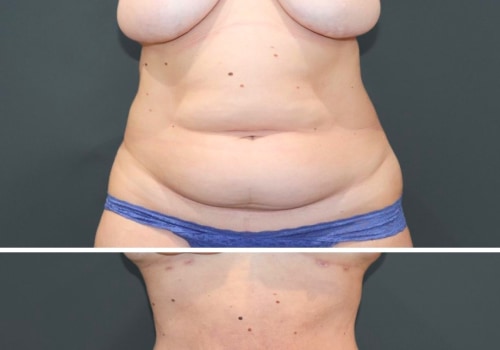
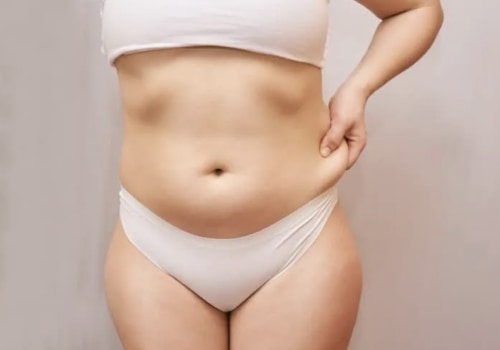
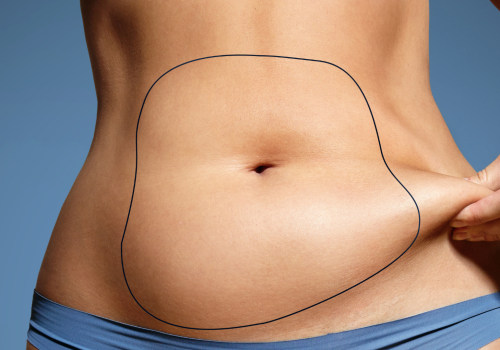
Liposuction is a popular cosmetic procedure designed to reshape and contour the body by removing stubborn fat deposits that are often resistant to diet and exercise. This surgical technique targets specific areas, such as the abdomen, thighs, buttocks, and arms, allowing individuals to achieve a more sculpted appearance. As the demand for liposuction continues to grow, so do the questions surrounding its effectiveness and the longevity of its results. Many prospective patients are eager to understand how long they can expect their new contours to last and what factors may influence these outcomes.One of the most common concerns among those considering liposuction is whether the results are truly permanent.
While it is true that liposuction permanently removes fat cells from the treated areas, it is essential to recognise that maintaining these results requires a commitment to a healthy lifestyle. Weight fluctuations can significantly impact the appearance of the body post-procedure, leading to questions about how to preserve the benefits of liposuction over time. Understanding the relationship between fat cells and body weight is crucial for anyone contemplating this transformative procedure.In this article, we will delve deeper into the intricacies of liposuction results, exploring not only how long they can last but also the various factors that can affect their longevity. From lifestyle choices to individual metabolic rates, we will provide insights that empower you to make informed decisions about your body and aesthetic goals. While it is true that liposuction permanently removes fat cells from the treated areas, it is essential to recognise that maintaining these results requires a commitment to a healthy lifestyle. Weight fluctuations can significantly impact the appearance of the body post-procedure, leading to questions about how to preserve the benefits of liposuction over time. Understanding the relationship between fat cells and body weight is crucial for anyone contemplating this transformative procedure.In this article, we will delve deeper into the intricacies of liposuction results, exploring not only how long they can last but also the various factors that can affect their longevity. From lifestyle choices to individual metabolic rates, we will provide insights that empower you to make informed decisions about your body and aesthetic goals.
By addressing these concerns head-on, we aim to equip you with the knowledge necessary to maximise your liposuction experience and enjoy lasting results.
What is Liposuction?
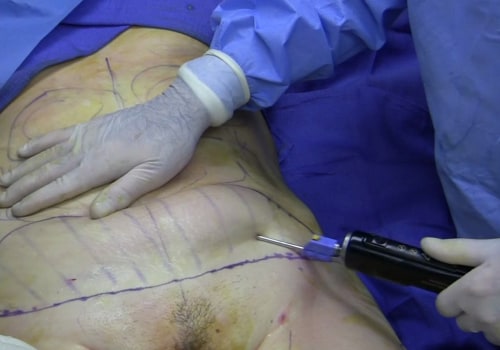
Liposuction is a popular cosmetic surgical procedure designed to remove stubborn fat deposits from specific areas of the body. It is not intended as a weight-loss solution but rather as a method for body contouring, helping individuals achieve a more sculpted appearance. The procedure targets areas where fat tends to accumulate despite diet and exercise, such as the abdomen, thighs, buttocks, arms, and neck.During the liposuction procedure , a surgeon uses a thin tube called a cannula, which is inserted through small incisions in the skin. This cannula is connected to a vacuum device that gently suctions out the unwanted fat.The process not only removes fat but also helps to reshape and define the body's contours.
Types of Liposuction
There are several types of liposuction techniques available, each with its unique approach and benefits:- Tumescent Liposuction: This is the most common technique, where a solution containing saline, lidocaine, and epinephrine is injected into the treatment area. This solution helps to numb the area and reduce bleeding during the procedure.
- Ultrasound-Assisted Liposuction (UAL): This method uses ultrasound energy to liquefy fat cells before they are suctioned out. It can be particularly effective for fibrous areas of the body.
- Laser-Assisted Liposuction (LAL): In this technique, laser energy is used to melt fat cells, making them easier to remove. It also promotes skin tightening due to the heat generated by the laser.
- Suction-Assisted Liposuction (SAL): This traditional method involves directly suctioning out fat through a cannula without any additional techniques.
It is effective for larger volumes of fat removal.
How Liposuction Affects Fat Cells
Liposuction is a popular cosmetic procedure that targets stubborn fat deposits, but understanding how it interacts with fat cells is crucial for appreciating the longevity of its results. At its core, liposuction is designed to permanently remove fat cells from specific areas of the body, leading to a more contoured appearance.During the liposuction process, a surgeon uses a thin tube called a cannula, which is inserted through small incisions in the skin.This cannula is connected to a vacuum device that gently suctions out excess fat. The procedure effectively reduces the number of fat cells in the treated area, which is significant because fat cells do not regenerate in the same way as other cells in the body.Once fat cells are removed, they do not return. However, it’s essential to understand that while liposuction eliminates fat cells from specific regions, it does not prevent future weight gain. If a patient gains weight after the procedure, the remaining fat cells can expand, potentially leading to an uneven distribution of fat across the body.
This is why maintaining a healthy lifestyle post-surgery is vital for preserving results.Moreover, liposuction is not a weight-loss solution; rather, it is a body contouring technique aimed at sculpting areas that are resistant to diet and exercise. The amount of fat removed during the procedure varies based on individual anatomy and aesthetic goals. For instance, some patients may only require minor adjustments, while others may seek more significant changes.Another important aspect to consider is that liposuction can lead to changes in skin elasticity. After fat removal, the skin may take time to adjust and tighten around the new contours.
Factors such as age, skin quality, and overall health can influence how well the skin adapts post-procedure.In summary, understanding how liposuction affects fat cells provides insight into why results can be long-lasting. By permanently removing fat cells from targeted areas and encouraging patients to adopt healthy habits post-surgery, individuals can enjoy their enhanced body shape for years to come.
Factors Influencing the Longevity of Liposuction Results
Understanding the longevity of liposuction results requires a comprehensive look at various factors that can influence how long these results last. While liposuction is designed to provide permanent fat removal, individual circumstances can significantly affect the outcome.Lifestyle Choices
Your lifestyle plays a crucial role in maintaining the results of liposuction. Engaging in regular physical activity and adhering to a balanced diet are essential for preserving your new body shape.
A sedentary lifestyle can lead to weight gain, which may result in the enlargement of remaining fat cells, particularly in areas that were not treated during the procedure.Moreover, poor dietary habits can contribute to weight fluctuations. Consuming high-calorie, low-nutrient foods can lead to an increase in body fat, undermining the effects of liposuction. Therefore, adopting a healthy lifestyle post-surgery is vital for sustaining your results.
Weight Management
After undergoing liposuction, it is important to maintain a stable weight. If you gain weight after the procedure, it is likely that new fat deposits will form in areas that were not previously treated.
This can create an uneven appearance and diminish the aesthetic benefits of your initial surgery.To effectively manage your weight, consider implementing strategies such as:
- Regular exercise routines that include both cardiovascular and strength training activities.
- Mindful eating practices that focus on portion control and nutrient-dense foods.
- Regular check-ins with a healthcare provider or nutritionist to monitor your progress and make necessary adjustments.
Individual Body Responses
Each person's body responds differently to liposuction, influenced by factors such as genetics, age, and hormonal changes. For instance, younger individuals may experience better skin elasticity and recovery than older patients. Additionally, hormonal fluctuations can affect fat distribution and metabolism, potentially impacting the longevity of your results.It is also worth noting that some individuals may have a genetic predisposition to store fat in specific areas of their bodies. This means that even after liposuction, certain regions may be more prone to accumulating fat if weight gain occurs.In conclusion, while liposuction offers a permanent solution for removing stubborn fat deposits, its long-term success hinges on a combination of lifestyle choices, effective weight management, and individual body responses.
By understanding these factors and committing to a healthy lifestyle post-procedure, you can maximise the longevity of your liposuction results.
Maintaining Your Liposuction Results: Tips and Strategies
After undergoing liposuction, many patients are eager to maintain their newly sculpted bodies. Achieving long-lasting results requires a commitment to a healthy lifestyle that includes balanced nutrition, regular physical activity, and mindful habits. Here are some effective strategies to help you preserve the benefits of your liposuction procedure.1.Embrace a Balanced Diet
Your diet plays a crucial role in maintaining your liposuction results. Focus on incorporating a variety of nutrient-dense foods into your meals:- Fruits and Vegetables: Aim for at least five portions of fruits and vegetables each day.
These foods are low in calories and high in vitamins, minerals, and fibre.
- Lean Proteins: Include sources of lean protein such as chicken, fish, beans, and legumes. Protein helps build muscle and can keep you feeling full longer.
- Whole Grains: Opt for whole grains like brown rice, quinoa, and whole wheat bread instead of refined grains. Whole grains provide sustained energy and essential nutrients.
- Healthy Fats: Incorporate healthy fats from sources like avocados, nuts, seeds, and olive oil. These fats can support overall health without contributing to weight gain.
2.Stay Hydrated
Drinking plenty of water is essential for overall health and can aid in weight management.Staying hydrated helps control hunger and supports metabolic processes. Aim for at least 2 litres of water daily, adjusting based on your activity level.
3.Regular Exercise
Engaging in regular physical activity is vital for maintaining your liposuction results. A combination of cardiovascular exercise and strength training is ideal:- Cardiovascular Exercise: Activities such as walking, running, cycling, or swimming can help burn calories and improve cardiovascular health. Aim for at least 150 minutes of moderate-intensity cardio each week.
- Strength Training: Incorporate strength training exercises at least twice a week to build muscle mass.
Muscle burns more calories at rest than fat does, which can help you maintain your weight.
4.Monitor Your Weight
Regularly checking your weight can help you stay accountable and identify any changes early on. If you notice any weight gain, take proactive steps to adjust your diet or increase your physical activity.5.Mindful Eating
Practising mindful eating can prevent overeating and help you enjoy your meals more fully. Pay attention to hunger cues, eat slowly, and savour each bite to enhance satisfaction.By adopting these strategies into your daily routine, you can significantly enhance the longevity of your liposuction results. Remember that maintaining a healthy lifestyle is not just about preserving your appearance; it also contributes to overall well-being and quality of life.Common Misconceptions About Liposuction
Liposuction is often surrounded by a cloud of myths and misconceptions that can lead to confusion for those considering the procedure.Understanding what liposuction truly entails is crucial for making an informed decision. Here, we will address some of the most common misconceptions about liposuction.
Myth 1: Liposuction is a Weight Loss Solution
One of the most prevalent myths is that liposuction is a method for significant weight loss. In reality, liposuction is primarily a body contouring procedure designed to remove stubborn fat deposits that are resistant to diet and exercise. It is not intended for individuals who are significantly overweight or those seeking to lose large amounts of weight.The ideal candidates for liposuction are typically at or near their target weight but have specific areas of fat they wish to address.
Myth 2: Liposuction Removes All Fat from Treated Areas
Another misconception is that liposuction completely eliminates fat from the treated areas. While it does remove a substantial amount of fat cells, it does not guarantee that all fat will be eradicated. The remaining fat cells can still expand if a person gains weight after the procedure, which may alter the results over time.Myth 3: Liposuction is a Quick Fix
Many people believe that liposuction offers an instant solution to body image issues. However, it is essential to understand that achieving and maintaining the desired results requires commitment to a healthy lifestyle post-procedure.Liposuction should be viewed as a complement to a balanced diet and regular exercise rather than a standalone solution.
Myth 4: Anyone Can Get Liposuction
While liposuction is a popular procedure, it is not suitable for everyone. Candidates should be in good overall health and have realistic expectations about the outcomes. Factors such as age, skin elasticity, and medical history play significant roles in determining whether someone is an appropriate candidate for liposuction.Myth 5: Liposuction Results Are Unnatural
Some individuals fear that liposuction will lead to an unnatural appearance. When performed by a skilled surgeon, liposuction can create smooth and natural-looking contours.The key lies in choosing an experienced professional who understands how to sculpt the body effectively while maintaining its natural proportions.In conclusion, dispelling these myths about liposuction can help potential patients make informed decisions regarding their body contouring options. By understanding what liposuction truly is—and what it is not—individuals can approach the procedure with realistic expectations and a clearer perspective on its benefits and limitations.
The Role of Revision Liposuction in Maintaining Results
While liposuction can provide significant and lasting results, there are instances where patients may find themselves considering revision liposuction. This procedure can be an essential option for those who wish to maintain or enhance their body contours after the initial surgery.One of the primary reasons individuals seek revision liposuction is due to changes in their body shape over time. Factors such as weight fluctuations, hormonal changes, or natural ageing can lead to the accumulation of fat in areas that were previously sculpted.For instance, if a patient gains weight after their initial procedure, they may notice new pockets of fat developing in different regions of the body. In such cases, revision liposuction can help restore the desired silhouette.Another reason to consider revision is dissatisfaction with the results of the first procedure. Although liposuction is generally effective, individual outcomes can vary based on several factors, including skin elasticity and the amount of fat removed. If a patient feels that their results do not meet their expectations or if they desire further refinement, a revision procedure may be warranted.
When to Consider Revision Liposuction
- Significant Weight Gain: If you have gained a considerable amount of weight since your initial liposuction, it may be time to consult with your surgeon about a revision.
- Changes in Body Shape: Noticeable changes in your body contour due to ageing or lifestyle factors can prompt a discussion about revision options.
- Dissatisfaction with Results: If you are unhappy with the aesthetic outcome of your first procedure, seeking a revision could help achieve your desired look.
- New Areas of Fat Accumulation: If new stubborn fat deposits have developed in areas not previously treated, revision liposuction can target these specific regions.
While this procedure can enhance and maintain results, it is not a substitute for a healthy lifestyle. Maintaining a balanced diet and regular exercise is vital for preserving the benefits of both the initial and any subsequent procedures.In conclusion, revision liposuction serves as an important tool for individuals looking to refine their body contours after an initial liposuction procedure. By understanding when and why to consider this option, patients can make informed decisions that align with their aesthetic goals and overall well-being.
Combining Liposuction with Other Cosmetic Procedures
For many individuals seeking to enhance their physical appearance, the combination of liposuction with other cosmetic procedures can yield remarkable results. This approach not only addresses stubborn fat deposits but also improves overall body contour and aesthetics.One of the most popular combinations is liposuction paired with a tummy tuck, also known as abdominoplasty.A tummy tuck is designed to remove excess skin and tighten the abdominal muscles, which can be particularly beneficial for those who have experienced significant weight loss or pregnancy. When combined with liposuction, which targets localized fat deposits, patients can achieve a flatter and more toned abdomen. This synergy allows for a more comprehensive transformation, as liposuction can sculpt the waistline while the tummy tuck addresses skin laxity.Another effective combination is liposuction with breast augmentation or reduction. For women looking to enhance their breast size while simultaneously contouring their body, this dual approach can create a balanced silhouette. One of the most popular combinations is liposuction paired with a tummy tuck, also known as abdominoplasty.A tummy tuck is designed to remove excess skin and tighten the abdominal muscles, which can be particularly beneficial for those who have experienced significant weight loss or pregnancy. When combined with liposuction, which targets localized fat deposits, patients can achieve a flatter and more toned abdomen. This synergy allows for a more comprehensive transformation, as liposuction can sculpt the waistline while the tummy tuck addresses skin laxity.Another effective combination is liposuction with breast augmentation or reduction. For women looking to enhance their breast size while simultaneously contouring their body, this dual approach can create a balanced silhouette.
Liposuction can be used to remove fat from areas such as the back or arms, which may help in achieving a more proportionate figure when combined with breast surgery.Moreover, combining liposuction with procedures like a facelift or body lift can provide a holistic rejuvenation effect. As we age, our skin loses elasticity and may sag in various areas. By removing excess fat through liposuction and tightening the skin in other areas, patients can enjoy a more youthful appearance that is harmonious across their entire body.However, it is essential to consult with a qualified plastic surgeon who can assess your individual needs and recommend the best combination of procedures for your goals. Each patient’s anatomy and desired outcomes are unique, and a tailored approach will ensure optimal results.In conclusion, combining liposuction with other cosmetic surgeries not only enhances the results of each procedure but also provides patients with a more comprehensive solution to their aesthetic concerns.
By addressing multiple areas of the body simultaneously, individuals can achieve a more balanced and harmonious appearance that boosts confidence and satisfaction.
Post-Operative Care and Recovery After Liposuction
Recovering from liposuction is a crucial phase that significantly influences the overall results of the procedure. Understanding what to expect during this time can help patients manage their expectations and ensure optimal healing.Immediately after the surgery, patients may experience swelling, bruising, and discomfort in the treated areas. These symptoms are normal and typically subside within a few weeks. However, it is essential to follow specific post-operative care guidelines to facilitate a smooth recovery.Post-Operative Care Tips
- Rest and Recovery: It is vital to allow your body ample time to heal.
Patients are generally advised to take at least a week off work, depending on the extent of the procedure and their individual recovery rate.
- Compression Garments: Wearing a compression garment as directed by your surgeon helps reduce swelling and supports the healing process. It is usually recommended to wear this garment for several weeks post-surgery.
- Pain Management: Mild pain or discomfort can be managed with prescribed medications. It is important to follow your surgeon's instructions regarding pain relief and avoid over-the-counter medications that may increase bleeding.
- Hydration and Nutrition: Staying hydrated and maintaining a balanced diet rich in vitamins and minerals can aid in recovery. Foods high in protein can help repair tissues, while fruits and vegetables provide essential nutrients.
- Activity Restrictions: Avoid strenuous activities, heavy lifting, or vigorous exercise for at least four to six weeks post-surgery.
Gentle walking is encouraged to promote circulation but should be done cautiously.
- Follow-Up Appointments: Attend all scheduled follow-up visits with your surgeon. These appointments are crucial for monitoring your healing progress and addressing any concerns that may arise.
It’s important to remember that while some changes may be visible shortly after surgery, full recovery can take several months.In summary, understanding the liposuction recovery process and adhering to post-operative care tips can significantly enhance your healing experience. By prioritising rest, following medical advice, and maintaining a healthy lifestyle, patients can look forward to enjoying their new contours with confidence.
Conclusion: Embracing Your New Contours with Confidence
In conclusion, the journey towards achieving your ideal body shape through liposuction is not merely about the procedure itself, but also about embracing a new lifestyle that supports and enhances your results. As we have explored throughout this article, understanding the nature of fat cells and their behaviour post-surgery is crucial for maintaining the contours you desire.It is essential to remember that while liposuction effectively removes fat cells from targeted areas, it does not serve as a substitute for a healthy lifestyle. The permanence of your results hinges on your commitment to maintaining a balanced diet and regular exercise.By adopting these habits, you can prevent the enlargement of remaining fat cells and avoid the formation of new ones in untreated areas.Moreover, the psychological aspect of undergoing liposuction should not be overlooked. Many patients report a boost in self-esteem and confidence following their procedure. This newfound confidence can be further enhanced by engaging in activities that promote physical well-being, such as joining fitness classes or participating in community sports. Surrounding yourself with supportive friends and family can also play a significant role in sustaining your motivation.As you embrace your new contours, consider setting realistic goals for yourself.
Whether it’s maintaining your weight, trying new healthy recipes, or exploring different forms of exercise, having clear objectives can help you stay focused and committed to your health journey.In summary, the results of liposuction can indeed be long-lasting if you take proactive steps to care for your body post-procedure. By prioritising a healthy lifestyle and nurturing your mental well-being, you can enjoy the benefits of your transformation for years to come. Remember, this is not just about looking good; it’s about feeling good and living life to its fullest.