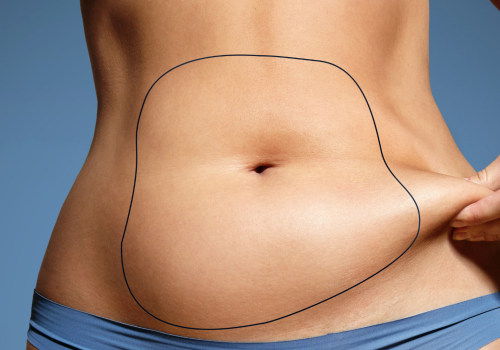
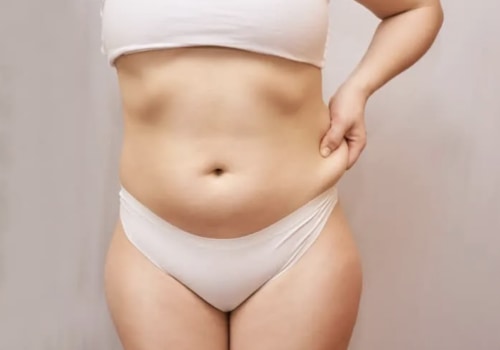
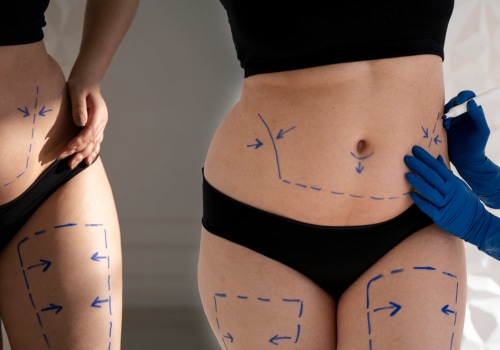
Liposuction is a popular cosmetic procedure designed to remove stubborn fat deposits from specific areas of the body. Unlike traditional weight loss methods, which focus on overall body mass reduction, liposuction targets localized fat that often resists diet and exercise. This makes it an appealing option for individuals who are close to their ideal weight but struggle with particular areas of excess fat, such as the abdomen, thighs, or arms. The procedure is not intended for significant weight loss; rather, it aims to enhance body contours and improve overall appearance.The liposuction procedure involves the use of a thin tube called a cannula, which is inserted through small incisions in the skin.
This cannula is connected to a vacuum device that gently suctions out the unwanted fat. The process can be performed under local or general anaesthesia, depending on the extent of the treatment and the areas being addressed. Patients typically experience minimal discomfort during the procedure, and recovery times can vary based on individual circumstances and the amount of fat removed.Understanding how liposuction works is crucial for anyone considering this procedure. The technique not only removes fat but also reshapes and sculpts the body, providing a more aesthetically pleasing silhouette.
Surgeons often employ various techniques, such as tumescent liposuction or ultrasound-assisted liposuction, to enhance results and reduce recovery time. Ultimately, liposuction can lead to significant improvements in self-esteem and body image for those who choose to undergo it.Surgeons often employ various techniques, such as tumescent liposuction or ultrasound-assisted liposuction, to enhance results and reduce recovery time. Ultimately, liposuction can lead to significant improvements in self-esteem and body image for those who choose to undergo it.
Common Signs of Liposuction
Identifying whether someone has undergone liposuction can be subtle, as the changes are often specific to certain areas of the body. However, there are several common signs that may indicate a person has had this cosmetic procedure.1.Altered Body Contours
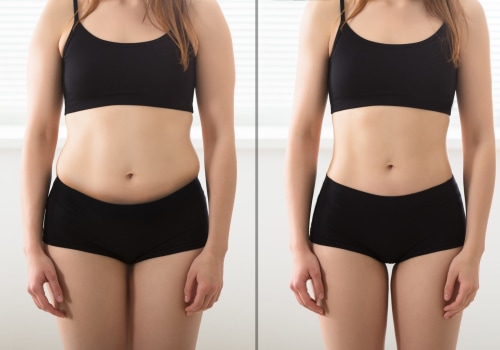
One of the most noticeable signs of liposuction is a significant change in body contours. After the procedure, individuals often exhibit a more sculpted appearance, particularly in areas where fat has been removed.
Common regions include:
- Abdomen: A flatter stomach is a typical outcome, especially if the individual had localized fat deposits.
- Thighs: Thinner thighs can create a more streamlined silhouette, which may be evident when wearing fitted clothing.
- Hips: A reduction in hip size can lead to a more balanced body shape.
- Arms: Slimmer arms can enhance overall proportions and make the upper body appear more toned.
- Neck and Chin: A more defined jawline and reduced fat around the neck can be significant indicators.
2.Skin Tightness and Texture Changes
Post-liposuction, many individuals experience changes in skin tightness and texture. The skin may appear smoother and firmer in areas where fat has been removed. However, it is essential to note that results can vary based on factors such as skin elasticity and the amount of fat removed.
3.Swelling and Bruising
In the immediate aftermath of liposuction, some swelling and bruising are common. While these symptoms typically subside within a few weeks, residual swelling may linger for a longer period, particularly in larger treatment areas.
If someone appears to have persistent swelling in specific regions, it could suggest they have undergone liposuction recently.
4.Clothing Fit
A noticeable change in how clothing fits can also be an indicator of liposuction. If someone suddenly fits into smaller sizes or their clothes appear looser around specific areas, it may suggest that they have had targeted fat removal.
5.Confidence and Body Language
Finally, individuals who have undergone liposuction often exhibit increased confidence in their appearance. This newfound self-assurance can manifest in body language, such as standing taller or wearing more form-fitting clothing.While these signs can provide clues about whether someone has had liposuction, it is essential to approach the topic with sensitivity and respect for personal privacy.
The Recovery Process After Liposuction
Recovering from liposuction is a crucial phase that significantly impacts the overall results of the procedure. Understanding the recovery timeline and adhering to post-operative care guidelines can help ensure a smoother healing process.Immediately after the surgery, patients may experience swelling, bruising, and discomfort in the treated areas.These symptoms are normal and typically subside within a few days. However, it is essential to follow your surgeon's advice regarding pain management and activity levels during this initial recovery period.
Recovery Timeline
- First Week: During the first week post-surgery, patients are advised to rest and limit physical activity. Swelling and bruising will be most pronounced during this time, and wearing a compression garment is often recommended to help reduce swelling and support the healing tissues.
- Weeks Two to Four: As you progress into the second week, many patients begin to feel more comfortable and may return to light activities. However, strenuous exercise should still be avoided.
By the end of the fourth week, most swelling should start to diminish significantly.
- One Month and Beyond: By one month post-surgery, many individuals can resume their normal routines, including exercise. However, complete healing can take several months, with final results becoming more apparent as swelling continues to decrease.
Post-Operative Care
Proper post-operative care is vital for optimal recovery. Here are some essential tips:- Follow-Up Appointments: Attend all scheduled follow-up visits with your surgeon to monitor your healing progress.
- Hydration: Staying well-hydrated aids in recovery and helps reduce swelling.
- Avoid Smoking: Smoking can impede blood flow and delay healing; it is advisable to refrain from smoking during recovery.
- Healthy Diet: Consuming a balanced diet rich in vitamins and minerals supports tissue repair.
By following your surgeon's guidelines and taking care of your body during this time, you can enhance your healing experience and enjoy the benefits of your new body contour.
Myths and Misconceptions About Liposuction
Liposuction is often surrounded by a cloud of myths and misconceptions that can lead to confusion about what the procedure entails and its potential outcomes. Understanding these myths is crucial for anyone considering liposuction, as it helps set realistic expectations and promotes informed decision-making.Myth 1: Liposuction is a Weight Loss Solution
One of the most prevalent misconceptions is that liposuction is a method for significant weight loss. In reality, liposuction is designed for targeted fat removal rather than overall weight reduction. Most patients only lose a modest amount of weight—typically between two to five pounds—after the procedure.
It is most effective for individuals who are already close to their ideal weight but struggle with stubborn fat deposits.
Myth 2: Liposuction Removes Cellulite
Another common belief is that liposuction can eliminate cellulite. While it may improve the appearance of certain areas, it does not specifically target cellulite, which is caused by structural changes in the skin and underlying fat. For those looking to address cellulite, other treatments may be more appropriate.
Myth 3: Liposuction is a Quick Fix for Obesity
Liposuction should not be viewed as a quick fix for obesity or an alternative to a healthy lifestyle. It is essential for candidates to maintain a balanced diet and regular exercise regimen post-procedure to sustain their results.
Relying solely on liposuction without lifestyle changes can lead to weight regain and dissatisfaction with the results.
Myth 4: The Results are Immediately Visible
Many people expect immediate results following liposuction, but this is often not the case. Swelling and bruising are common after the procedure, which can obscure the final results for several weeks or even months. Patience is key, as the body needs time to heal and settle into its new shape.
Myth 5: Liposuction is Only for Women
This misconception overlooks the fact that men can also benefit from liposuction. In recent years, there has been a growing trend of men seeking this procedure to enhance their body contours, particularly in areas like the abdomen and love handles.In conclusion, understanding these myths surrounding liposuction can help potential patients make informed choices about their bodies.
By separating fact from fiction, individuals can approach the procedure with realistic expectations and a clearer understanding of what it entails.
Psychological Aspects of Liposuction
Undergoing liposuction can have profound psychological effects that extend beyond the physical transformation. While many focus on the aesthetic outcomes, the emotional and psychological impacts are equally significant and can vary widely among individuals.One of the most notable changes post-liposuction is the boost in self-esteem. Many patients report feeling more confident in their appearance, which can lead to a more positive self-image. This newfound confidence often encourages individuals to engage more socially, participate in activities they previously avoided, and even adopt healthier lifestyle choices.However, it is essential to understand that this boost in self-esteem may not be universal.For some, the results of liposuction may not meet their expectations, leading to feelings of disappointment or dissatisfaction. This phenomenon is sometimes referred to as body dysmorphic disorder, where individuals may fixate on perceived flaws that others do not notice. Such feelings can result in a negative emotional impact, potentially leading to anxiety or depression.Moreover, the psychological journey does not end with the procedure. The transition period during recovery can also affect mental well-being.
Patients may experience fluctuations in mood due to physical discomfort or the limitations imposed by recovery. It is crucial for individuals to have realistic expectations and understand that while liposuction can enhance body contours, it is not a cure-all for deeper emotional issues related to body image.Support systems play a vital role in navigating these psychological aspects. Engaging with friends, family, or support groups can provide encouragement and help manage any emotional challenges that arise post-surgery. Additionally, consulting with a mental health professional before and after the procedure can be beneficial for those who have concerns about their body image or self-esteem.In conclusion, while liposuction can lead to significant improvements in physical appearance and self-confidence for many, it is essential to acknowledge and address the potential psychological effects.
Understanding these aspects can help individuals prepare for their journey and ensure they achieve not only a desirable physical outcome but also a positive emotional experience.
Comparing Liposuction with Other Fat Reduction Methods
When considering body contouring options, it is essential to understand the differences between liposuction and other fat reduction methods. Each technique has its unique advantages, limitations, and ideal candidates.Liposuction vs. CoolSculpting
Liposuction is a surgical procedure that involves the removal of fat through suction, targeting specific areas of the body. In contrast, CoolSculpting, also known as cryolipolysis, is a non-invasive method that freezes fat cells, causing them to die off gradually.Here are some key differences:
- Invasiveness: Liposuction is an invasive surgery requiring anaesthesia and incisions, while CoolSculpting is non-invasive and typically performed in a clinic without anaesthesia.
- Recovery Time: Recovery from liposuction can take several weeks, with potential swelling and bruising. CoolSculpting usually has minimal downtime, allowing patients to return to their daily activities almost immediately.
- Results: Liposuction provides immediate results as fat is removed during the procedure. CoolSculpting results appear gradually over a few months as the body naturally eliminates the dead fat cells.
- Fat Reduction Amount: Liposuction can remove larger volumes of fat compared to CoolSculpting, making it suitable for individuals with more significant fat deposits.
Other Alternatives to Liposuction
Besides CoolSculpting, there are several other alternatives to liposuction worth considering:- Ultrasound-Assisted Liposuction (UAL): This technique uses ultrasound energy to liquefy fat before removal, which can be less traumatic to surrounding tissues.
- Laser Lipolysis:Laser Lipolysis: Also known as laser lipo, this method employs laser energy to melt fat before suctioning it out. It may promote skin tightening due to collagen stimulation.
- Kybella: An injectable treatment that targets submental fat (double chin), Kybella destroys fat cells without surgery.
However, it is not suitable for larger areas of the body.
Frequently Asked Questions About Liposuction
Liposuction is a popular cosmetic procedure, and as with any surgical intervention, potential patients often have numerous questions. Below are some of the most frequently asked questions regarding liposuction, aimed at providing clarity and addressing common concerns.What is liposuction?
Liposuction, also known as lipoplasty or body contouring, is a surgical procedure designed to remove excess fat from specific areas of the body. It targets stubborn fat deposits that are resistant to diet and exercise, helping to sculpt and enhance body contours.Is liposuction safe?
When performed by a qualified and experienced surgeon, liposuction is generally considered safe.However, like any surgical procedure, it carries risks. Potential complications can include:
- Infection
- Scarring
- Fluid accumulation
- Blood clots
- Changes in skin sensation
Who is an ideal candidate for liposuction?
The best candidates for liposuction are individuals who are close to their ideal weight but struggle with specific areas of fat that do not respond to traditional weight loss methods. Candidates should also be in good overall health and have realistic expectations about the outcomes of the procedure.How long does recovery take?
Recovery time can vary depending on the extent of the procedure and individual healing rates. Generally, patients can expect some swelling and bruising for several weeks post-surgery.Most individuals can return to light activities within a few days but should avoid strenuous exercise for at least a few weeks.
Will I have visible scars after liposuction?
Liposuction incisions are typically small and strategically placed in less visible areas. While some scarring may occur, it usually fades over time and becomes less noticeable. Following your surgeon's aftercare instructions can help minimise scarring.If you have more questions or concerns about liposuction, it’s advisable to consult with a certified plastic surgeon who can provide personalised information based on your unique situation.Conclusion: Recognising Liposuction Results
In conclusion, recognising the signs of liposuction can be a nuanced process that requires careful observation and understanding of both physical changes and psychological impacts. As we have discussed, the most noticeable indicators often manifest in specific areas of the body where fat has been targeted for removal.For instance, a flatter abdomen or more contoured thighs may suggest that an individual has undergone this procedure. However, it is essential to remember that these changes can also result from rigorous exercise and dietary adjustments, making it challenging to definitively attribute them to liposuction alone.Moreover, the psychological aspects surrounding liposuction are equally significant. Many individuals who opt for this procedure do so with the hope of enhancing their self-esteem and body image. The transformation can lead to increased confidence; however, it is crucial to approach such changes with a healthy mindset.
Understanding that liposuction is not a cure-all for body image issues is vital. It is merely a tool for achieving specific aesthetic goals.Furthermore, the recovery process plays a critical role in how results are perceived. Post-operative swelling and bruising can obscure the final results for weeks or even months, leading to misconceptions about the effectiveness of the procedure. Patience is key, as the body gradually adjusts to its new contours.Ultimately, while there are observable signs that may indicate someone has had liposuction, it is essential to respect personal privacy regarding such decisions.
Many individuals choose not to disclose their experiences with cosmetic procedures, and this choice should be honoured.In summary, recognising liposuction results involves a combination of physical observation and an understanding of the emotional journey that accompanies such transformations. By fostering awareness and empathy towards those who undergo these procedures, we can create a more supportive environment that values individual choices and promotes positive body image.