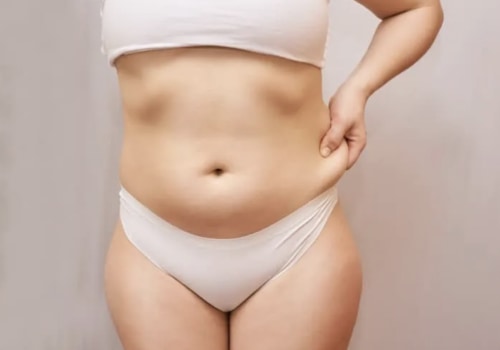
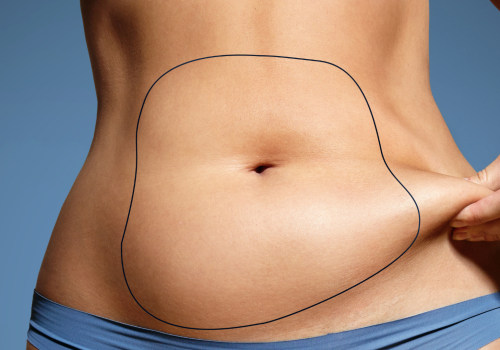
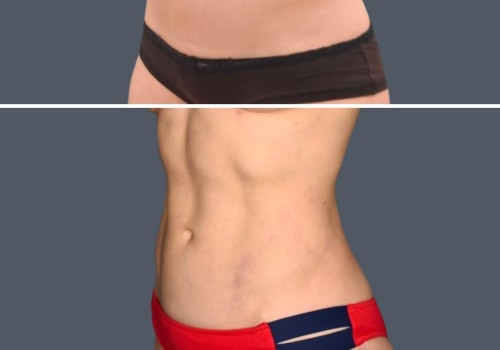
Liposuction is a widely recognised cosmetic procedure designed to remove excess fat deposits from specific areas of the body, enhancing overall body contour and shape. This surgical technique is particularly popular among individuals who struggle with stubborn fat that resists diet and exercise efforts. By targeting areas such as the abdomen, thighs, buttocks, arms, and neck, liposuction can help achieve a more sculpted appearance, boosting self-confidence and improving quality of life.The procedure involves the use of a thin tube called a cannula, which is inserted through small incisions in the skin. The cannula is then used to suction out unwanted fat cells, allowing for precise sculpting of the body.
While liposuction is not intended as a weight-loss solution, it can effectively remove localized fat pockets that may be disproportionate to the rest of the body. This makes it an appealing option for those looking to refine their physique rather than achieve significant weight loss.Understanding what liposuction entails is crucial for anyone considering this procedure. It is essential to have realistic expectations regarding the outcomes and recovery process. Factors such as individual body type, skin elasticity, and the amount of fat removed can all influence the final results.
Moreover, while many patients experience immediate changes post-surgery, the full effects of liposuction may take time to manifest as swelling subsides and the body heals.In this article, we will delve deeper into the final results of liposuction, exploring what patients can expect during their recovery journey and how long it typically takes to see the desired outcomes. By providing comprehensive insights into this transformative procedure, we aim to equip potential patients with the knowledge they need to make informed decisions about their body contouring goals.Moreover, while many patients experience immediate changes post-surgery, the full effects of liposuction may take time to manifest as swelling subsides and the body heals.In this article, we will delve deeper into the final results of liposuction, exploring what patients can expect during their recovery journey and how long it typically takes to see the desired outcomes. By providing comprehensive insights into this transformative procedure, we aim to equip potential patients with the knowledge they need to make informed decisions about their body contouring goals.
What to Expect Immediately After Liposuction
Undergoing liposuction is a significant step towards achieving your desired body contour, but it’s essential to understand what to expect immediately after the procedure. The initial phase of recovery can be marked by various effects, including swelling, bruising, and the early signs of your new shape.One of the most common immediate effects following liposuction is swelling. This occurs as a natural response of the body to surgery.The extent of swelling can vary based on several factors, including the amount of fat removed and the specific areas treated. Typically, patients may notice that the treated areas appear larger than expected right after the procedure due to this swelling.In addition to swelling, bruising is another common occurrence. Bruising can develop in the areas where incisions were made or where the cannula was inserted. This is a normal part of the healing process and usually resolves within a few weeks.
It’s important to remember that while these effects can be concerning, they are temporary and part of your body’s natural healing response.During the first few days post-surgery, you may also experience discomfort or pain in the treated areas. Your surgeon will likely prescribe pain medication to help manage this discomfort. It’s crucial to follow their instructions regarding medication and any other post-operative care guidelines.
Post-operative care
plays a vital role in your recovery. Here are some key points to consider:
- Compression Garments: Wearing compression garments as advised by your surgeon helps reduce swelling and supports your new contours.
- Rest: Allow yourself ample time to rest and recover.
Avoid strenuous activities for at least a few weeks.
- Hydration: Staying hydrated aids in recovery and helps reduce swelling.
- Follow-Up Appointments: Attend all scheduled follow-up appointments with your surgeon to monitor your healing progress.
Understanding the Recovery Process
Recovering from liposuction is a crucial phase that significantly influences the final results of the procedure. Understanding the recovery timeline and the various stages involved can help patients manage their expectations and adhere to post-operative care instructions effectively.Initial Recovery Phase (Days 1-7)
The first week after liposuction is often marked by swelling, bruising, and discomfort.Patients may experience:
- Swelling: This is a natural response as the body begins to heal. Swelling can obscure the initial results, making it essential to remain patient.
- Pain and Discomfort: Mild to moderate pain is common, and your surgeon will likely prescribe pain relief medication to manage this.
- Drainage: If drains were placed during surgery, they may need to be monitored and emptied regularly.
Intermediate Recovery Phase (Weeks 2-4)
As you progress into the second and third weeks, many patients notice a gradual reduction in swelling and an improvement in overall comfort. Key aspects of this phase include:- Increased Mobility: Most patients can return to light activities within a week or two, but strenuous exercise should be avoided until cleared by your surgeon.
- Continued Swelling: While some swelling will decrease, residual swelling may persist for several weeks.
It’s important to remain patient as your body continues to heal.
- Follow-Up Appointments: Regular check-ups with your surgeon are essential during this time to monitor healing progress and address any concerns.
Final Recovery Phase (Months 1-6)
The final recovery phase can extend up to six months or longer. During this time, patients can expect:- Gradual Improvement: The final results of liposuction become more apparent as swelling subsides and skin elasticity improves.
- Skin Retraction: The skin may take time to adjust to its new contours, which can affect how results are perceived initially.
- Persistent Changes: Some patients may notice ongoing changes in their body shape for up to a year as the body continues to heal.
Factors Influencing Final Results of Liposuction
When considering the final results of liposuction, several key factors come into play that can significantly influence the outcome.Understanding these factors is essential for setting realistic expectations and achieving the desired body contouring results.
1.Skin Elasticity
One of the most critical factors affecting the final results of liposuction is the elasticity of your skin. Skin elasticity refers to the skin's ability to stretch and then return to its original shape. Individuals with good skin elasticity are more likely to experience a smooth and tight appearance after fat removal, as their skin can retract effectively to fit the new body contours. Conversely, those with poor skin elasticity may find that their skin does not tighten as well, potentially leading to sagging or loose skin in the treated areas.Age is a significant determinant of skin elasticity; as we age, our skin naturally loses collagen and elastin, which are vital for maintaining firmness.
Additionally, factors such as sun exposure, smoking, and overall health can also impact skin quality. Therefore, it is crucial for potential patients to consider their skin condition when evaluating the expected outcomes of liposuction.
2.Amount of Fat Removed
The volume of fat removed during the procedure plays a pivotal role in determining the final results. Generally, liposuction can remove a substantial amount of fat—up to 10 pounds in some cases—yet this varies based on individual circumstances and safety considerations. Removing larger volumes of fat may lead to more dramatic changes in body shape; however, it can also increase the risk of complications and affect recovery time.Moreover, the distribution of fat in your body can influence how noticeable the results will be.
For instance, if you have localized pockets of fat in specific areas, removing these can create a more contoured appearance. In contrast, if fat is removed from multiple areas without a balanced approach, it may lead to uneven results.
3.Individual Healing Responses
Each person's body responds differently to surgery and healing processes. Factors such as genetics, overall health, and adherence to post-operative care instructions can significantly affect recovery time and final results. Some individuals may experience prolonged swelling or bruising, which can obscure the final outcome for weeks or even months after surgery.Additionally, following your surgeon's post-operative guidelines—such as wearing compression garments and engaging in light activity—can help facilitate healing and improve results.
It is essential to maintain open communication with your healthcare provider throughout your recovery journey to address any concerns that may arise.In summary, understanding these factors—skin elasticity, the amount of fat removed, and individual healing responses—can help you set realistic expectations for your liposuction results. By considering these elements carefully and working closely with a qualified plastic surgeon, you can enhance your chances of achieving satisfying outcomes from your procedure.It is essential to maintain open communication with your healthcare provider throughout your recovery journey to address any concerns that may arise.In summary, understanding these factors—skin elasticity, the amount of fat removed, and individual healing responses—can help you set realistic expectations for your liposuction results. By considering these elements carefully and working closely with a qualified plastic surgeon, you can enhance your chances of achieving satisfying outcomes from your procedure.
When Will You See Final Results?
Understanding the timeline for seeing the final results of liposuction is crucial for anyone considering this procedure. While many patients are eager to see immediate changes, it’s essential to recognise that the journey to achieving your desired body shape is gradual and varies significantly from person to person.Immediately after the procedure, you may notice some changes in your body shape; however, these initial results can be misleading due to swelling and fluid retention. In fact, it is common for patients to experience noticeable swelling in the treated areas, which can obscure the true results of the surgery.This swelling is a natural part of the healing process and can last for several weeks.
Initial Recovery Phase
During the first few days post-surgery, you will likely experience discomfort and swelling. Most patients are advised to wear compression garments to help manage swelling and support the healing tissues. Typically, within two to three weeks , some of the swelling will begin to subside, allowing you to see a glimpse of your new contours.Three-Month Mark
For most individuals, significant improvements become more apparent around the three-month mark. By this time, much of the initial swelling has decreased, and you should start to see a clearer picture of your body’s new shape.However, it’s important to remember that this is still not the final result.
Long-Term Results
The full effects of liposuction can take up to a year to manifest completely. As your body continues to heal, you may notice further refinement in your contours as residual swelling diminishes and your skin adjusts to its new shape. It’s not uncommon for patients to see gradual changes even after six months, with final results becoming evident around the one-year mark.In summary, while you may be eager to see immediate results after liposuction, patience is key. The timeline for final results typically spans from three months up to a year post-surgery.Understanding this timeline can help manage expectations and ensure a smoother recovery process.
Managing Expectations: Realistic Outcomes from Liposuction
When considering liposuction, it is crucial to have a clear understanding of what the procedure can realistically achieve. Many individuals approach liposuction with the hope of achieving a dramatic transformation, but it is essential to recognise that this procedure is primarily designed for body contouring rather than significant weight loss.Liposuction
effectively removes localized fat deposits that are resistant to diet and exercise, helping to sculpt and define specific areas of the body. However, it is not a substitute for a healthy lifestyle or a means to address obesity. Patients should ideally be at or near their target weight before undergoing the procedure to ensure optimal results.One common misconception is that liposuction will lead to a complete overhaul of one’s body shape.
While many patients do experience enhanced contours and improved proportions, the results can vary significantly based on several factors:
- Individual Anatomy: Each person's body responds differently to liposuction. Factors such as skin elasticity, fat distribution, and overall health can influence the final outcome.
- Amount of Fat Removed: The volume of fat extracted during the procedure can affect how noticeable the results are. Removing a small amount may yield subtle changes, while larger volumes can create more dramatic shifts in body shape.
- Post-Operative Care: Adhering to post-operative instructions, including wearing compression garments and following a healthy diet, plays a vital role in achieving the best possible results.
This gradual process can lead to continued improvements over time, sometimes lasting up to a year.In summary, while liposuction can significantly enhance body shape and boost confidence, it is not a miracle solution for weight loss. Understanding these realistic outcomes will help patients set achievable goals and appreciate their results more fully. Consulting with a qualified plastic surgeon can provide personalised insights into what one can expect from their specific case.
Tips for Accelerating Recovery and Enhancing Results
Recovering from liposuction can be a transformative experience, but it’s essential to approach the post-operative period with care and intention. Here are some practical tips to help you accelerate your recovery and enhance your results:1.Follow Your Surgeon’s Instructions
Your surgeon will provide specific post-operative care instructions tailored to your individual needs.Adhering to these guidelines is crucial for a smooth recovery. This may include advice on:
- Wound care and hygiene
- Medication schedules
- When to resume normal activities
- Signs of complications to watch for
2.Maintain a Healthy Diet
A balanced diet plays a significant role in your recovery process. Focus on:- Hydration: Drink plenty of water to help flush out toxins and reduce swelling.
- Nutrient-rich foods: Incorporate fruits, vegetables, lean proteins, and whole grains into your meals. Foods rich in vitamins C and E can promote healing.
- Avoiding processed foods: Steer clear of high-sugar and high-sodium foods that can lead to inflammation and bloating.
3.Engage in Gentle Movement
While rest is vital, gentle movement can aid in circulation and reduce the risk of blood clots.Consider:
- Short walks: Start with brief walks around your home as soon as you feel able.
- Stretching: Incorporate light stretching exercises to maintain flexibility without straining your body.
- Avoiding strenuous activities: Refrain from heavy lifting or intense workouts until cleared by your surgeon.
4.Wear Compression Garments
Your surgeon may recommend wearing compression garments post-surgery. These garments help reduce swelling, support the healing tissues, and improve skin retraction. Ensure you wear them as directed for optimal results.5.Prioritise Rest and Sleep
Your body needs time to heal, so prioritising rest is essential. Aim for:- Quality sleep: Create a comfortable sleeping environment and try to sleep on your back with pillows for support.
- Naps: Don’t hesitate to take short naps during the day if you feel fatigued.
Remember that patience is key; while you may be eager to see results, allowing your body the time it needs to heal will ultimately lead to the best outcomes.
Common Concerns and FAQs About Liposuction Results
When considering liposuction, it is natural to have a multitude of questions and concerns regarding the results and recovery process. Addressing these common queries can help alleviate fears and provide clarity for prospective patients.What are the most common concerns about liposuction results?
- Swelling and Bruising: Many patients worry about the extent of swelling and bruising post-surgery. It is important to understand that some degree of swelling is normal and can last for several weeks. Most patients notice a significant reduction in swelling within the first month, but complete resolution may take up to six months.
- Asymmetry: Some individuals express concern about potential asymmetry in their results.
While liposuction aims for symmetry, slight differences can occur due to natural body variations. These minor discrepancies often become less noticeable as healing progresses.
- Skin Elasticity: Patients with lower skin elasticity may worry about sagging skin after fat removal. In such cases, a consultation with a qualified surgeon can help determine if additional procedures, such as a tummy tuck, may be necessary to achieve desired results.
Frequently Asked Questions
- How long does it take to see final results?
While some improvements may be visible within a few weeks, final results typically take three to six months to fully manifest. In some cases, it may take up to a year for the body to settle into its new shape. - Will I regain weight after liposuction?
Liposuction is not a weight-loss solution but rather a body contouring procedure.Maintaining a healthy lifestyle post-surgery is crucial for sustaining results. Weight gain can still occur if healthy habits are not followed.
- What should I do if I experience complications?
If you notice unusual symptoms such as excessive pain, prolonged swelling, or signs of infection, it is essential to contact your surgeon immediately. Early intervention can prevent further complications and ensure proper healing.
Conclusion: Embracing Your New Body After Liposuction
As you conclude your journey through the world of liposuction, it is essential to reflect on the transformative experience you have undergone.Embracing your new body is not just about the physical changes; it also involves a mental and emotional shift that can significantly enhance your overall well-being.Throughout this article, we have explored various aspects of liposuction, from understanding the procedure itself to the timeline for seeing final results. Here are some key takeaways to keep in mind:
- Patience is Key: The timeline for seeing the final results of liposuction can vary widely among individuals. While some may notice changes within weeks, others might take several months or even up to a year to see their desired outcomes.
- Swelling and Healing: Post-operative swelling is a normal part of the healing process. It is crucial to allow your body the time it needs to recover fully, as this will ultimately affect the appearance of your results.
- Realistic Expectations: Understanding that liposuction is not a weight-loss solution but rather a body contouring procedure will help you maintain realistic expectations.
The goal is to enhance your natural shape, not to achieve an unrealistic ideal.
- Follow-Up Care: Adhering to your surgeon's post-operative instructions, including wearing compression garments and attending follow-up appointments, is vital for achieving optimal results.
By taking these steps, you can ensure that your journey with liposuction leads to lasting satisfaction and confidence in your new appearance.