Liposuction has become a popular cosmetic procedure, often touted as a solution for those struggling with stubborn fat deposits that resist diet and exercise. However, many individuals harbour misconceptions about what liposuction can achieve, particularly regarding weight loss. It is crucial to understand that while liposuction can effectively reshape and contour the body, it is not primarily a weight loss method. Instead, it focuses on removing localized fat to enhance body proportions and improve overall aesthetics.One of the most prevalent myths surrounding liposuction is the belief that it can lead to significant weight loss.
In reality, the procedure typically results in a modest reduction in weight, often between two to five pounds. This limited weight loss is due to the nature of the procedure, which targets specific areas rather than providing an overall reduction in body mass. Patients may find themselves disappointed if they approach liposuction with the expectation of shedding large amounts of weight.Moreover, understanding the role of liposuction in body contouring is essential for setting realistic expectations. Many people mistakenly view it as a quick fix for obesity or as a substitute for a healthy lifestyle.
However, liposuction should be seen as a complement to a balanced diet and regular exercise rather than a replacement for these vital components of health. By clarifying these misconceptions, potential patients can make informed decisions about whether liposuction aligns with their personal goals and body image aspirations.
What is Liposuction?
Liposuction is a popular cosmetic surgical procedure aimed at removing excess fat from specific areas of the body to enhance its contours and shape. It is not primarily a weight loss solution but rather a method to target stubborn fat deposits that are resistant to diet and exercise. This procedure can be particularly beneficial for individuals who are close to their ideal weight but wish to refine their body shape.There are several types of liposuction techniques, each with its unique approach and benefits:- Tumescent Liposuction: This is the most common form of liposuction, where a saline solution mixed with local anaesthetic and epinephrine is injected into the targeted area.
This solution helps to numb the area, reduce bleeding, and make fat removal easier. The surgeon then uses a cannula to suction out the fat.
- Ultrasound-Assisted Liposuction (UAL): In this technique, ultrasound waves are used to liquefy fat cells before they are removed. This method can be particularly effective for fibrous areas of the body, such as the back or male breast tissue.
- Laser-Assisted Liposuction (LAL): Similar to UAL, this technique employs laser energy to melt fat cells, making them easier to remove. The added benefit of LAL is that it can also stimulate collagen production, potentially improving skin tightness post-procedure.
- Power-Assisted Liposuction (PAL): This method uses a mechanised cannula that vibrates rapidly, allowing for more efficient fat removal with less trauma to surrounding tissues.
It can be particularly useful in larger areas or for patients requiring extensive fat removal.
While liposuction can significantly improve body shape, it is essential for patients to maintain a healthy lifestyle post-surgery to sustain their results.
The Role of Liposuction in Body Contouring
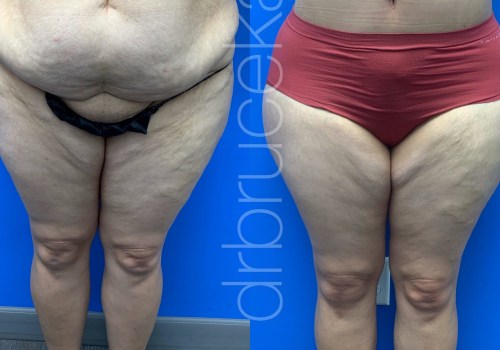
Liposuction is often misunderstood as a weight loss procedure, but its primary purpose is to enhance body contours by removing localized fat deposits. This distinction is crucial for potential patients to grasp, as it sets realistic expectations regarding the outcomes of the surgery.When considering liposuction , it’s essential to understand that the procedure is not designed to achieve significant weight loss. Instead, it focuses on sculpting the body by targeting specific areas where fat tends to accumulate, such as the abdomen, thighs, hips, and arms. This targeted approach allows for a more aesthetically pleasing silhouette, rather than merely reducing overall body weight.Many individuals seeking liposuction may be surprised to learn that the amount of fat removed during the procedure typically ranges from three to five pounds.While this may seem minimal, the impact on body shape can be substantial. For instance, a person may have stubborn fat pockets that resist diet and exercise efforts; liposuction can effectively eliminate these areas, leading to improved proportions and a more defined figure.It’s also important to note that liposuction is not a substitute for a healthy lifestyle. Patients who undergo this procedure must commit to maintaining their results through regular exercise and a balanced diet. Without these lifestyle changes, there is a risk of gaining weight in other areas of the body post-surgery.
This phenomenon occurs because liposuction only removes fat from specific locations; if weight gain occurs after the procedure, it may manifest in different regions.In summary, while This phenomenon occurs because liposuction only removes fat from specific locations; if weight gain occurs after the procedure, it may manifest in different regions.In summary, while liposuction can significantly enhance body contours by removing unwanted fat deposits, it should not be viewed as a comprehensive solution for weight loss. Understanding this distinction is vital for anyone considering the procedure. By focusing on body contouring rather than overall weight reduction, patients can better appreciate the transformative effects of liposuction and set realistic goals for their post-operative journey.
How Much Weight Can You Expect to Lose?
When considering liposuction, one of the most pressing questions for potential patients is, how much weight can you realistically expect to lose ? It’s crucial to understand that while liposuction can effectively remove fat, it is not primarily a weight loss procedure. Instead, it focuses on contouring the body by eliminating stubborn fat deposits that are resistant to diet and exercise.On average, patients can anticipate losing between two to five pounds of fat after undergoing liposuction.This amount may vary based on several factors, including the individual’s body type, the specific areas being treated, and the total volume of fat removed during the procedure. For instance, while some patients may experience a more significant reduction in weight, others might find that their weight loss is minimal.It’s important to note that the FDA has approved liposuction for the removal of up to 11 pounds of fat in a single session; however, this does not imply that every patient should aim for this maximum. The actual amount of fat removed will depend on the patient’s unique anatomy and health considerations. Typically, for every litre of fat extracted, a patient can expect to lose approximately 2.2 pounds .Moreover, many patients mistakenly believe that liposuction will lead to significant weight loss akin to traditional dieting or exercise regimens.
This misconception can lead to unrealistic expectations. Liposuction is designed to sculpt and enhance body shape rather than serve as a primary method for shedding excess weight.To further clarify, here are some key points regarding weight loss after liposuction:
- Liposuction is not a weight loss solution: It is intended for body contouring.
- Weight loss varies: Most patients lose between two and five pounds post-procedure.
- Fat removal limits: Up to 11 pounds can be removed safely, but this is not typical for all patients.
- Realistic expectations: Understanding that liposuction primarily targets specific areas will help set achievable goals.
The Importance of Maintaining a Healthy Lifestyle Post-Liposuction
Undergoing liposuction can be a transformative experience, but the journey does not end once the procedure is complete. To truly benefit from the results and maintain a desirable body shape, it is crucial to adopt a healthy lifestyle post-surgery.This involves making informed choices regarding diet, exercise, and overall wellness.
Dietary Changes
- Balanced Nutrition: After liposuction, your body needs proper nutrients to heal and function optimally. Focus on a balanced diet rich in fruits, vegetables, whole grains, lean proteins, and healthy fats. This not only aids recovery but also helps in maintaining your new body shape.
- Portion Control: While it may be tempting to indulge after seeing immediate results, practicing portion control is essential. Eating smaller, more frequent meals can help regulate metabolism and prevent weight gain.
- Hydration: Staying hydrated is vital for overall health.
Drinking plenty of water can help control hunger and support metabolic processes.
- Avoiding Processed Foods: Minimise the intake of processed foods high in sugars and unhealthy fats. These can lead to weight gain and counteract the benefits of your liposuction.
Exercise Routines
Incorporating regular physical activity into your routine is another key component of maintaining results after liposuction. Here are some tips:
- Start Slowly: Initially, focus on gentle activities such as walking or light stretching to allow your body to heal. Gradually increase intensity as you feel more comfortable.
- Aim for Consistency: Establish a regular exercise schedule that includes both cardiovascular workouts and strength training.
Aim for at least 150 minutes of moderate aerobic activity each week.
- Strength Training: Incorporating strength training exercises at least twice a week can help build muscle mass, which in turn boosts metabolism and aids in fat loss.
Lifestyle Factors
Your overall lifestyle choices play a significant role in maintaining the results of liposuction:
- Sufficient Sleep: Prioritising quality sleep is essential for recovery and weight management. Aim for 7-9 hours of sleep per night to support metabolic health.
- Stress Management: High stress levels can lead to emotional eating and weight gain. Engage in stress-reducing activities such as yoga, meditation, or hobbies that you enjoy.
Understanding Weight Gain After Liposuction
After undergoing liposuction, many patients express concern about the possibility of gaining weight in other areas of their body.This phenomenon is not uncommon and can be attributed to several factors, including fat redistribution and the body's natural mechanisms for maintaining weight.One of the key concepts to understand in this context is the set-point theory. This theory posits that our bodies have a predetermined weight range that they strive to maintain. When fat is removed from specific areas through liposuction, the body may react by redistributing fat to other regions in an attempt to return to its set point. This means that while you may have successfully eliminated stubborn fat from your abdomen or thighs, you could notice an increase in fat accumulation in areas such as the arms, back, or even the face.Moreover, the body’s response to weight loss or fat removal can vary significantly from person to person.
Factors such as genetics, hormonal balance, and lifestyle choices all play a role in how your body manages fat distribution post-liposuction. For instance:
- Genetics: Some individuals may be genetically predisposed to store fat in certain areas, which can become more pronounced after liposuction.
- Hormonal Changes: Hormones regulate fat storage and metabolism. Changes in hormone levels can influence where your body decides to store fat after surgery.
- Lifestyle Factors: Diet and exercise habits post-surgery are crucial. A sedentary lifestyle or poor dietary choices can lead to weight gain in undesired areas.
This includes:
- Regular Exercise: Engaging in a balanced fitness routine that includes both cardiovascular and strength training exercises can help maintain a healthy weight and prevent fat redistribution.
- Nutritional Awareness: Following a well-balanced diet rich in whole foods, lean proteins, and healthy fats can support your body’s needs and help manage weight effectively.
- Monitoring Weight: Keeping track of your weight regularly can help you identify any changes early on, allowing you to take action before significant weight gain occurs.
Common Myths About Liposuction and Weight Loss
When considering liposuction, many individuals are often influenced by a variety of myths and misconceptions that can cloud their understanding of the procedure and its outcomes. It is crucial to debunk these myths to provide a clearer picture of what liposuction can and cannot achieve.Myth 1: Liposuction is a Weight Loss Solution
One of the most pervasive myths is that liposuction serves as a primary method for weight loss.
In reality, liposuction is not designed for significant weight reduction; rather, it is intended to sculpt and refine body contours by removing localized fat deposits. Patients should not expect to lose substantial weight post-procedure; instead, they may only shed a few pounds, typically between three to five, depending on the amount of fat removed.
Myth 2: Liposuction Eliminates Cellulite
Another common misconception is that liposuction can effectively eliminate cellulite. While liposuction can remove fat from beneath the skin, it does not address the structural issues that cause cellulite's dimpled appearance. For those seeking to improve the look of cellulite, other treatments may be more appropriate.
Myth 3: Liposuction is a Quick Fix
Many people believe that liposuction offers a quick fix for body image issues.
However, this procedure requires a commitment to maintaining results through a healthy lifestyle. Without proper diet and exercise following the surgery, patients may find themselves regaining weight in other areas of the body.
Myth 4: Anyone Can Get Liposuction
Some individuals think that liposuction is suitable for everyone. In truth, ideal candidates are those who are close to their target weight but struggle with stubborn fat pockets. A thorough consultation with a qualified surgeon is essential to determine if one is an appropriate candidate for the procedure.
Myth 5: Liposuction Results Are Permanent
While liposuction can provide long-lasting results, it does not prevent future weight gain.
If patients do not maintain a balanced diet and regular exercise routine, they may still experience fat accumulation in other areas of their body. Understanding this aspect is vital for anyone considering the procedure.By addressing these common myths surrounding liposuction, potential patients can make informed decisions about their bodies and expectations regarding the outcomes of this cosmetic procedure.
Consultation: What to Discuss with Your Surgeon
When considering liposuction, the consultation with your cosmetic surgeon is a crucial step in the journey towards achieving your desired body shape. This meeting is not just a formality; it is an opportunity for you to engage in an open dialogue about your goals, expectations, and any concerns you may have. Here are some essential topics and questions to discuss during your consultation:, the consultation with your cosmetic surgeon is a crucial step in the journey towards achieving your desired body shape. This meeting is not just a formality; it is an opportunity for you to engage in an open dialogue about your goals, expectations, and any concerns you may have. Here are some essential topics and questions to discuss during your consultation:Understanding Your Goals
Begin by clearly articulating your reasons for wanting liposuction.Consider the following questions:
- What specific areas of my body do I want to target?
- What are my expectations regarding the results?
- How do I envision my body post-surgery?
Realistic Expectations
It is vital to have realistic expectations about what liposuction can achieve. Discuss the following:- What is the typical amount of fat that can be safely removed during the procedure?
- How will my body look after the surgery?
- What are the limitations of liposuction in terms of weight loss versus contouring?
Health Considerations
Your overall health plays a significant role in determining whether you are a suitable candidate for liposuction. Be prepared to discuss:- Your medical history, including any previous surgeries or health conditions.
- Current medications or supplements you are taking.
- Your lifestyle habits, such as diet and exercise routines.
Surgical Details
Understanding the surgical process is essential. Ask about:- The techniques that will be used during the procedure.
- The expected duration of the surgery and recovery time.
- The type of anaesthesia that will be administered.
Post-Operative Care
Discuss what to expect after the surgery, including:- The recovery process and any restrictions on physical activity.
- Pain management strategies and medications prescribed.
- Follow-up appointments and what they will entail.
This dialogue is essential for setting realistic expectations and ensuring that you are fully informed about every aspect of your liposuction journey.
Conclusion: The Realities of Liposuction and Weight Management
In conclusion, it is essential to grasp the realities of liposuction and its role in weight management. While this cosmetic procedure can effectively sculpt and enhance body contours by removing stubborn fat deposits, it is not a miracle solution for weight loss. Patients must approach liposuction with a clear understanding of its limitations and the commitment required to maintain results.Throughout this discussion, we have highlighted several key points:- Liposuction is not a weight loss procedure: The primary aim of liposuction is to reshape the body by targeting specific areas of fat. Most patients can expect to lose only a modest amount of weight, typically between three to five pounds.
- Healthy lifestyle is crucial: To achieve and sustain the desired results post-surgery, individuals must adopt a balanced diet and regular exercise routine.
Liposuction should complement a healthy lifestyle rather than replace it.
- Weight gain can occur: After undergoing liposuction, if patients do not maintain their weight through healthy habits, they may experience fat accumulation in other areas of the body due to the body's natural compensatory mechanisms.
- Realistic expectations are vital: Understanding what liposuction can and cannot achieve is crucial for patient satisfaction. Consulting with a qualified cosmetic surgeon can help set achievable goals.