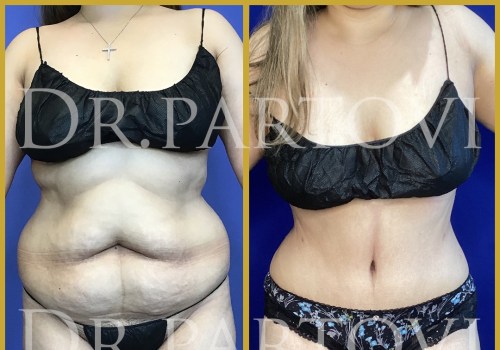
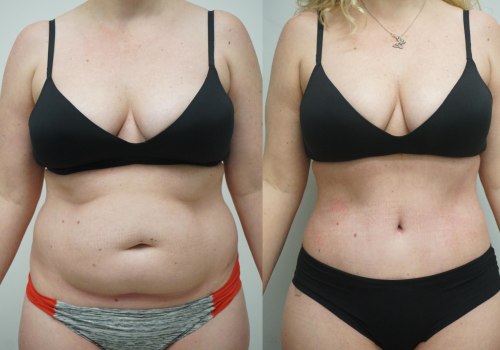
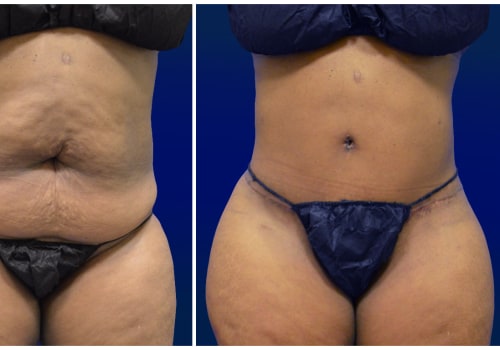
Liposuction is a cosmetic surgical procedure designed to remove excess fat deposits from specific areas of the body, helping individuals achieve a more sculpted and contoured appearance. This technique has gained immense popularity over the years, becoming one of the most sought-after procedures in the realm of aesthetic surgery. Many people turn to liposuction when they find that traditional methods such as diet and exercise have failed to eliminate stubborn fat pockets that persist despite their best efforts.The procedure involves the use of a thin tube, known as a cannula, which is inserted through small incisions in the skin. The surgeon then uses this cannula to suction out unwanted fat, allowing for precise contouring of the body.
Liposuction can be performed on various areas, including the abdomen, thighs, buttocks, arms, and even the neck. As a result, it offers a versatile solution for those looking to enhance their body shape.Individuals consider liposuction for various reasons, including the desire to improve their self-image and boost their confidence. For many, achieving a desired body shape can lead to significant psychological benefits, enhancing overall quality of life. However, it is crucial for potential candidates to understand that liposuction is not a weight-loss solution but rather a body contouring procedure aimed at refining specific areas.As we delve deeper into the topic of liposuction, it is essential to explore both its advantages and potential risks.
Understanding these factors will empower individuals to make informed decisions about whether this procedure aligns with their personal goals and health considerations.
What is Liposuction?
Liposuction is a cosmetic surgical procedure designed to remove excess fat deposits from specific areas of the body, helping to improve body contours and proportions. It is particularly effective for individuals who struggle with stubborn fat that does not respond to traditional weight loss methods such as diet and exercise. While liposuction is not a weight-loss solution, it can significantly enhance one’s appearance and boost self-esteem.There are several types of liposuction , each employing different techniques to achieve the desired results:- Tumescent Liposuction:Tumescent Liposuction: This is the most common technique, where a solution containing saline, lidocaine, and epinephrine is injected into the targeted area. This solution helps to numb the area, reduce bleeding, and make fat removal easier.
The surgeon then uses a cannula to suction out the fat.
- Ultrasound-Assisted Liposuction (UAL): This method uses ultrasonic waves to liquefy fat cells before they are removed. The ultrasound energy breaks down the fat, making it easier to suction out. UAL is particularly useful for fibrous areas of the body.
- Laser-Assisted Liposuction (LAL): In this technique, laser energy is used to melt away fat cells. The melted fat can then be easily removed through a cannula.
LAL also promotes skin tightening due to the heat generated by the laser.
- Power-Assisted Liposuction (PAL): This technique employs a vibrating cannula that helps in breaking up fat cells more efficiently, allowing for quicker and less traumatic fat removal.
Each method has its own set of advantages and potential drawbacks, which should be thoroughly discussed with a qualified plastic surgeon during pre-operative consultations.
The Benefits of Liposuction
Liposuction offers a range of benefits that can significantly enhance an individual’s physical appearance and overall well-being. Understanding these advantages is crucial for anyone considering this procedure.1.Targeted Fat Removal
One of the primary benefits of liposuction is its ability to remove stubborn fat deposits that are resistant to diet and exercise. Areas such as the abdomen, thighs, hips, and arms often hold onto fat despite a healthy lifestyle. Liposuction allows for precise targeting of these areas, enabling patients to achieve a more sculpted physique.
2.Enhanced Body Contours
Liposuction not only removes excess fat but also helps in reshaping and contouring the body.
This can lead to improved proportions and a more aesthetically pleasing silhouette. Many patients find that their clothes fit better and they feel more confident in their appearance after the procedure.
3.Boosted Self-Esteem
For many individuals, achieving their desired body shape can lead to a significant boost in self-esteem and confidence. The psychological benefits of looking good cannot be overstated; many patients report feeling more positive about themselves and their bodies post-surgery. This newfound confidence can permeate various aspects of life, from personal relationships to professional opportunities.
4.Complementing a Healthy Lifestyle
Liposuction should not be viewed as a substitute for healthy living but rather as a complement to it.
After undergoing the procedure, many patients are motivated to maintain their results through regular exercise and balanced nutrition. This synergy between liposuction and a healthy lifestyle can lead to long-lasting improvements in body shape and overall health.
5.Quick Recovery Time
Compared to other surgical procedures, liposuction typically offers a relatively quick recovery time. Many patients are able to return to their daily activities within a few days, depending on the extent of the surgery. This allows individuals to enjoy their results sooner without prolonged downtime.
6.Versatility of Techniques
Liposuction has evolved over the years, with various techniques available such as tumescent liposuction, ultrasound-assisted liposuction (UAL), and laser-assisted liposuction (LAL).
Each method has its unique advantages, allowing surgeons to tailor the procedure to meet individual patient needs effectively.In conclusion, the benefits of liposuction extend beyond mere aesthetic improvements; they encompass emotional well-being and lifestyle enhancements as well. For those struggling with stubborn fat deposits, liposuction can be a transformative option that leads to lasting positive changes in both appearance and self-perception.
Understanding the Risks of Liposuction
When considering liposuction, it is crucial to understand the potential risks involved. While many patients achieve satisfactory results, the procedure is not without its complications. Below, we delve into some of the most significant risks associated with liposuction.Infection
One of the primary concerns following any surgical procedure, including liposuction, is the risk of infection.This can occur if bacteria enter the body during surgery or if post-operative care is inadequate. Symptoms of infection may include redness, swelling, increased pain, or discharge from the incision sites. To mitigate this risk, surgeons often prescribe antibiotics to be taken after the procedure. Patients should also adhere strictly to their surgeon's post-operative care instructions to minimise the chances of infection.
Irregular Contours
Another potential complication is the development of irregular contours on the skin.This can happen if too much fat is removed from a specific area, leading to an uneven appearance. In some cases, patients may experience lumps or dents where fat has been removed. To avoid this issue, it is essential to choose a qualified and experienced surgeon who understands how to achieve balanced results while adhering to safe fat removal limits.
Scarring
Scarring is a common concern for individuals contemplating liposuction. Although most patients will only have small scars post-surgery, the visibility and size of these scars can vary based on individual healing processes and adherence to aftercare instructions.Proper wound care is vital in minimising scarring; patients should follow their surgeon's guidelines closely and avoid exposing incisions to sunlight during the healing phase.
Blood Clots
A more serious risk associated with liposuction is the formation of blood clots, particularly in deep veins (a condition known as deep vein thrombosis). If these clots dislodge and travel to vital organs such as the lungs, they can pose life-threatening complications. To reduce this risk, patients are often advised to wear compression garments and may be prescribed blood thinners as part of their post-operative care plan.In conclusion, while liposuction can offer significant aesthetic benefits, it is essential for prospective patients to be fully informed about the associated risks. Understanding these potential complications allows individuals to make educated decisions regarding their body and health.Consulting with a qualified plastic surgeon who can provide personalised advice and support throughout the process is crucial for achieving safe and satisfactory results.
Preparing for Liposuction: What to Expect
Preparing for liposuction is a crucial step that can significantly influence the outcome of your procedure. Understanding what to expect during this preparation phase can help alleviate anxiety and ensure a smoother surgical experience.Initially, you will need to schedule a consultation with a qualified plastic surgeon. This meeting is essential for discussing your goals, expectations, and any concerns you may have regarding the procedure. During this consultation, your surgeon will:- Evaluate your medical history: Be prepared to provide detailed information about your health, including any medications you are currently taking, allergies, and previous surgeries.
- Conduct a physical examination: Your surgeon will assess the areas you wish to target with liposuction, determining if you are a suitable candidate for the procedure.
- Discuss your goals: Clearly communicate your desired outcomes so that your surgeon can tailor the procedure to meet your expectations.
These assessments are designed to ensure that you are in good health and can safely undergo surgery. Common evaluations include:
- Blood tests: These tests help identify any underlying health issues that could complicate the surgery.
- Cardiovascular assessments: If you have a history of heart problems, additional tests may be necessary to evaluate your heart health.
- Avoid smoking: Smoking can impede healing and increase the risk of complications. It is advisable to quit smoking at least four weeks before the surgery.
- Maintain a healthy diet: Eating a balanced diet rich in vitamins and minerals can enhance your body’s ability to heal post-surgery.
- Limit alcohol consumption: Alcohol can interfere with anesthesia and recovery; it’s best to avoid it in the weeks leading up to your procedure.
- Stay hydrated: Drinking plenty of water helps keep your body functioning optimally and aids in recovery.
This includes having someone available to drive you home after the procedure and assist you during the initial recovery period. By taking these preparatory steps seriously, you can set yourself up for a successful liposuction experience.
Post-Operative Care and Recovery
After undergoing liposuction, understanding the recovery process is crucial for achieving optimal results and ensuring a smooth transition back to daily activities. The post-operative phase can vary significantly from person to person, but there are common experiences and guidelines that can help set realistic expectations.Pain Management
It is normal to experience some discomfort following the procedure, which can range from mild soreness to more significant pain depending on the extent of the surgery. Your surgeon will typically prescribe pain relief medication to help manage this discomfort.It is essential to take these medications as directed and not to wait until the pain becomes severe before taking them.
Activity Restrictions
In the initial days following liposuction, patients are advised to limit physical activity. This includes avoiding strenuous exercise, heavy lifting, and any activities that may strain the surgical sites. Most surgeons recommend a period of rest for at least one week, after which light activities can gradually be reintroduced. However, high-impact exercises should be avoided for several weeks to allow the body adequate time to heal.Compression Garments
Wearing compression garments is a critical aspect of post-operative care.These garments help reduce swelling, support the healing tissues, and improve overall contouring results. Patients are usually advised to wear these garments continuously for several weeks, only removing them for bathing or as directed by their surgeon.
Follow-Up Appointments
Regular follow-up appointments with your surgeon are essential for monitoring your recovery progress. During these visits, your surgeon will assess your healing, address any concerns, and provide guidance on when you can safely resume normal activities. It is vital to attend all scheduled appointments and communicate openly about any issues you may encounter during your recovery.What to Expect
Swelling and bruising are common after liposuction, and these symptoms may take several weeks to subside fully.As the swelling decreases, you will begin to see the results of your procedure more clearly. However, it is important to remember that final results may not be visible for several months as your body continues to heal.In summary, understanding the recovery process after liposuction is vital for achieving satisfactory outcomes. By adhering to pain management strategies, respecting activity restrictions, wearing compression garments, and attending follow-up appointments, patients can facilitate a smoother recovery and enhance their overall results.
Cost Considerations: Is Liposuction Worth It?
When considering liposuction, one of the most significant factors to evaluate is the financial commitment involved. In the UK, the cost of liposuction can vary widely, typically ranging from £3,000 to £8,500.This price range is influenced by several factors that potential patients should carefully consider before making a decision.
Factors Influencing Liposuction Costs
- Geographical Location: The cost of liposuction can differ based on where the procedure is performed. Major cities like London often have higher prices due to increased demand and higher operational costs for clinics.
- Surgeon’s Experience: The qualifications and experience of the surgeon can significantly impact the cost. Highly experienced surgeons may charge more, but their expertise can lead to better outcomes and reduced risks.
- Type of Liposuction: There are various techniques available, such as tumescent liposuction, ultrasound-assisted liposuction, and laser-assisted liposuction. Each method has different costs associated with it, depending on the technology and expertise required.
- Areas Treated: The number of areas being treated during the procedure will also affect the overall cost.
Treating multiple areas will naturally increase the price.
- Facility Fees: The type of facility where the procedure is performed can influence costs. Accredited surgical centres may charge more than outpatient clinics.
Additional Financial Considerations
Beyond the initial cost of the procedure, patients should also consider potential additional expenses:
- Anesthesia Fees: Depending on the complexity of the procedure, anesthesia costs can add to the total expense.
- Post-Operative Care: Follow-up appointments and any necessary medications or compression garments should be factored into your budget.
- Potential Revision Surgery: In some cases, patients may require additional procedures to achieve their desired results, which can further increase costs.
Is Liposuction Worth It?
The question of whether liposuction is worth the financial investment ultimately depends on individual circumstances and goals. For many, the benefits—such as improved body contouring and enhanced self-esteem—can outweigh the costs. However, it is crucial for prospective patients to have realistic expectations about what liposuction can achieve and to understand that it is not a substitute for a healthy lifestyle.Before proceeding with liposuction, individuals should conduct thorough research, consult with qualified professionals, and weigh their financial situation against their aesthetic goals.
This careful consideration will help ensure that they make an informed decision that aligns with both their health and financial well-being.
Who is a Good Candidate for Liposuction?
Determining whether you are a suitable candidate for liposuction involves several key factors that encompass your overall health, body type, and personal expectations. Understanding these criteria can help you make an informed decision about whether this procedure is right for you.Health Status
- General Health: Candidates should be in good overall health, free from serious medical conditions that could complicate surgery or recovery. Conditions such as heart disease, diabetes, or respiratory issues may increase the risks associated with the procedure.
- Weight Considerations: While liposuction is not a weight-loss solution, it is most effective for individuals who are close to their ideal body weight. A body mass index (BMI) of 30 or lower is often recommended for optimal results.
- Skin Elasticity: Good skin elasticity is crucial for achieving smooth and contoured results post-surgery.
If your skin has lost its elasticity due to age or significant weight loss, you may not be the best candidate for liposuction alone.
Body Type
- Fat Distribution: Liposuction is particularly effective for individuals with localized fat deposits that are resistant to diet and exercise. Common areas include the abdomen, thighs, hips, and arms.
- Body Shape: Those with a generally healthy body shape but struggling with specific areas of fat may find liposuction beneficial. However, individuals with significant sagging skin or excess fat may require additional procedures such as a tummy tuck.
Realistic Expectations
- Aesthetic Goals: Candidates should have clear and realistic goals regarding what liposuction can achieve. It is essential to understand that while liposuction can enhance body contours, it does not replace a healthy lifestyle or serve as a substitute for weight loss.
- Mental Preparedness: Emotional readiness for the changes that come with surgery is vital.
Candidates should be prepared for the recovery process and understand that results may take time to fully manifest.
Frequently Asked Questions about Liposuction
When considering liposuction, potential patients often have numerous questions regarding the procedure, its risks, and its benefits. Here are some of the most frequently asked questions:What is liposuction?
Liposuction is a cosmetic surgical procedure designed to remove excess fat from specific areas of the body. It is not a weight-loss solution but rather a method to contour and shape areas that may be resistant to diet and exercise.Who is a good candidate for liposuction?
Ideal candidates for liposuction are individuals who are at or near their target weight but struggle with localized fat deposits.Candidates should also be in good overall health, have realistic expectations, and be committed to maintaining a healthy lifestyle post-procedure.
What are the common risks associated with liposuction?
- Infection: As with any surgical procedure, there is a risk of infection. Following post-operative care instructions can help mitigate this risk.
- Scarring: While liposuction incisions are typically small, scarring can occur. Proper wound care is essential for minimising visible scars.
- Irregular contours: If too much fat is removed or if the procedure is not performed evenly, it can lead to uneven body contours.
- Blood clots: There is a risk of developing blood clots, which can be serious if they travel to the lungs or other organs.
What benefits can I expect from liposuction?
The primary benefit of liposuction is the removal of stubborn fat deposits, leading to improved body contours. Many patients report increased self-esteem and confidence following the procedure.Additionally, it can enhance the results of weight loss efforts by providing a more sculpted appearance.
How long does recovery take after liposuction?
Recovery time varies by individual and the extent of the procedure. Generally, patients can expect some swelling and bruising for several weeks. Most individuals return to normal activities within a few days but should avoid strenuous exercise for at least four to six weeks.Will I need to maintain a specific diet after liposuction?
Yes, maintaining a balanced diet and regular exercise is crucial for sustaining the results of liposuction. While the procedure removes fat cells, it does not prevent new fat from accumulating if lifestyle changes are not made.If you have more questions about liposuction, it’s essential to consult with a qualified plastic surgeon who can provide personalised information based on your unique circumstances.Conclusion: Making an Informed Decision on Liposuction
In conclusion, the decision to undergo liposuction is not one to be taken lightly.As we have explored throughout this article, while liposuction can offer significant benefits such as the removal of stubborn fat deposits and enhanced body contours, it is essential to weigh these advantages against the potential risks involved.Understanding the risks associated with liposuction is crucial. Complications such as infection, irregular contours, scarring, and blood clots can occur, and these risks can be mitigated by choosing a qualified surgeon and adhering to post-operative care instructions. Furthermore, the financial implications of the procedure should also be considered, as costs can vary significantly based on various factors.On the other hand, the benefits of liposuction can be life-changing for many individuals. For those struggling with areas of fat that resist diet and exercise, liposuction can provide a pathway to achieving their desired body shape and boosting self-esteem.
However, it is vital to maintain realistic expectations; liposuction is not a substitute for a healthy lifestyle or a weight loss solution.Before making any decisions regarding liposuction, it is imperative to consult with a qualified plastic surgeon who can provide personalised advice based on your unique circumstances. During this consultation, you should discuss your goals, concerns, and any underlying health conditions that may affect your eligibility for the procedure.Ultimately, making an informed decision about liposuction involves careful consideration of both its risks and benefits. By doing thorough research and seeking professional guidance, you can ensure that you are making the best choice for your body and your overall well-being.