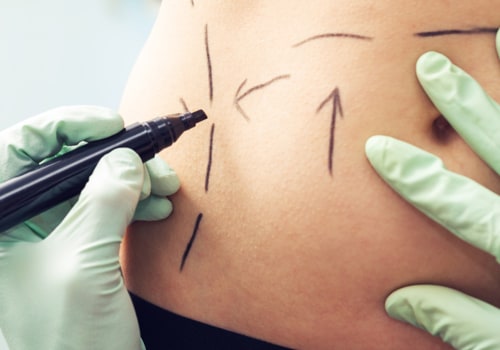
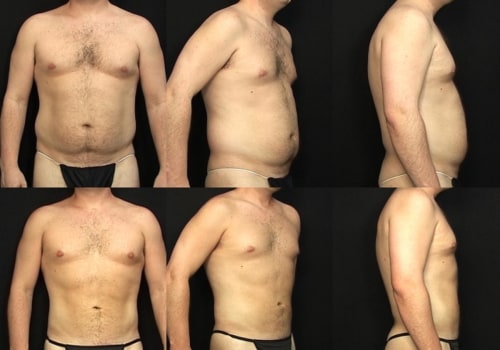
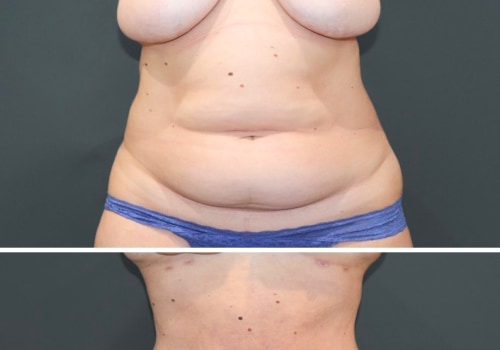
Liposuction is a popular procedure in the realm of cosmetic and aesthetic medicine, designed to reshape and contour the body by removing excess fat from specific areas. It is essential to understand that liposuction is not a weight-loss solution; rather, it is a targeted approach to eliminate stubborn fat deposits that may not respond to diet and exercise. This procedure can enhance body proportions and improve self-confidence, making it a sought-after option for many individuals looking to achieve their desired physique.The Liposuction is a popular procedure in the realm of cosmetic and aesthetic medicine, designed to reshape and contour the body by removing excess fat from specific areas. It is essential to understand that liposuction is not a weight-loss solution; rather, it is a targeted approach to eliminate stubborn fat deposits that may not respond to diet and exercise. This procedure can enhance body proportions and improve self-confidence, making it a sought-after option for many individuals looking to achieve their desired physique.The liposuction procedure involves the use of a thin tube called a cannula, which is inserted through small incisions in the skin. The surgeon then uses this cannula to suction out fat from the targeted areas, such as the abdomen, thighs, buttocks, arms, or neck.
The technique can vary depending on the specific method employed, including tumescent liposuction, ultrasound-assisted liposuction, or laser-assisted liposuction. Each method has its advantages and can be tailored to meet the unique needs of the patient.One of the most significant misconceptions about liposuction is that it serves as a quick fix for weight loss. In reality, while it effectively removes fat cells from specific regions, it does not prevent future weight gain or eliminate the need for a healthy lifestyle. Understanding this distinction is crucial for anyone considering the procedure.
Liposuction should be viewed as a complement to a balanced diet and regular exercise rather than a substitute for them.In summary, gaining a comprehensive understanding of liposuction is vital for anyone contemplating this transformative procedure. By recognising its purpose, methods, and limitations, potential patients can make informed decisions that align with their aesthetic goals and overall health objectives.
The Science of Fat: How It Accumulates and Is Removed
Understanding the biological mechanisms of fat accumulation is essential for grasping how liposuction effectively targets and removes fat from the body. Fat, or adipose tissue, serves several critical functions, including energy storage, insulation, and hormone regulation. However, when the body accumulates excess fat, it can lead to various health issues and aesthetic concerns.Understanding the biological mechanisms of fat accumulation is essential for grasping how liposuction effectively targets and removes fat from the body. Fat, or adipose tissue, serves several critical functions, including energy storage, insulation, and hormone regulation. However, when the body accumulates excess fat, it can lead to various health issues and aesthetic concerns.How Fat Accumulates
Fat accumulation occurs when the body takes in more calories than it expends.
This surplus energy is converted into fat and stored in adipocytes, or fat cells. Each adipocyte can expand to hold more fat, leading to an increase in both the size and number of fat cells. Factors influencing fat accumulation include:
- Genetics: Genetic predisposition can affect how and where fat is stored in the body.
- Diet: High-calorie diets rich in sugars and unhealthy fats contribute significantly to fat gain.
- Physical Activity: A sedentary lifestyle reduces calorie expenditure, promoting fat storage.
- Hormonal Changes: Hormones such as insulin and cortisol play a crucial role in regulating fat metabolism.
The Role of Fat Cells
Adipocytes are not merely passive storage units; they actively participate in metabolic processes. They release hormones and cytokines that influence appetite, insulin sensitivity, and inflammation.
When a person gains weight, the body increases the number of adipocytes through a process called hyperplasia. Conversely, during weight loss, while existing fat cells shrink (a process known as hypertrophy), the number of fat cells does not decrease significantly. This is a critical point to understand when considering liposuction.
The Fat Removal Process During Liposuction
Liposuction is designed to remove excess fat from specific areas of the body by suctioning out adipose tissue through a thin tube called a cannula. The procedure typically involves the following steps:
- Anesthesia: Patients are given local or general anesthesia to ensure comfort during the procedure.
- Incisions: Small incisions are made in inconspicuous areas to minimise scarring.
- Fat Extraction: The surgeon inserts a cannula into the incisions and uses it to break up and suction out unwanted fat deposits.
- Contouring: The surgeon carefully sculpts the treated area to achieve a natural-looking contour.
However, it is essential to maintain a stable weight post-procedure since remaining fat cells can still expand if caloric intake exceeds expenditure.In summary, understanding how fat accumulates and the biological role of fat cells provides valuable insight into the effectiveness of liposuction as a body contouring solution. While liposuction can effectively remove stubborn fat deposits, it is not a substitute for healthy lifestyle choices that prevent future weight gain.
Liposuction Techniques: Different Methods Explained
Liposuction has evolved significantly over the years, leading to the development of various techniques tailored to meet individual patient needs. Understanding these different methods is crucial for anyone considering the procedure, as each technique offers unique benefits and considerations.Tumescent Liposuction
Tumescent liposuction is one of the most commonly performed techniques today. This method involves injecting a large volume of a saline solution mixed with local anaesthetic and epinephrine into the targeted fat areas before the actual suctioning occurs.The solution causes the fat cells to swell and become firm, making them easier to remove. The advantages of tumescent liposuction include:
- Reduced Pain: The local anaesthetic minimizes discomfort during and after the procedure.
- Less Blood Loss: The epinephrine constricts blood vessels, reducing bleeding and bruising.
- Shorter Recovery Time: Patients often experience quicker recovery compared to traditional methods.
Ultrasound-Assisted Liposuction (UAL)
This technique employs ultrasound energy to liquefy fat cells before they are suctioned out. UAL is particularly effective for fibrous areas of the body, such as the back or male breast tissue. The benefits of ultrasound-assisted liposuction include:- Enhanced Fat Removal: The ultrasound waves break down fat more effectively, allowing for greater fat extraction.
- Improved Contouring: This method can provide smoother results in challenging areas.
Laser-Assisted Liposuction (LAL)
Laser-assisted liposuction uses laser energy to melt fat before it is removed through suction.This technique is often marketed as a less invasive option with minimal downtime. Key advantages include:
- Minimally Invasive: The procedure typically requires smaller incisions, leading to less scarring.
- Skin Tightening: The heat from the laser can stimulate collagen production, potentially improving skin elasticity post-procedure.
Who Is a Good Candidate for Liposuction?
Determining whether you are a suitable candidate for liposuction involves a careful assessment of various factors, including your age, overall health, and specific body type. Understanding these criteria can help you make an informed decision about whether this body contouring procedure is right for you.Age Considerations
While there is no strict age limit for undergoing liposuction, most candidates are typically adults aged 18 and older.
Younger individuals may still be considered if they have reached physical maturity and have stable body weight. Conversely, older adults can also benefit from liposuction, provided they are in good health. It is essential to note that skin elasticity tends to decrease with age, which may affect the final results of the procedure. Therefore, older candidates should have realistic expectations regarding skin tightening and contouring outcomes.
Health Status
Your overall health plays a crucial role in determining your eligibility for liposuction.
Ideal candidates should:
- Be at or near their target weight, as liposuction is not a weight-loss solution but rather a method for contouring specific areas.
- Have no underlying medical conditions that could complicate surgery or recovery, such as heart disease, diabetes, or blood clotting disorders.
- Be non-smokers or willing to quit smoking before and after the procedure to promote better healing.
Body Type and Fat Distribution
Liposuction is most effective for individuals with localized fat deposits that are resistant to diet and exercise. Candidates should have:
- A stable body weight with fat pockets in areas such as the abdomen, thighs, hips, arms, or neck.
- Good skin elasticity to ensure that the skin can conform to the new body contours post-surgery.
- A positive outlook and realistic expectations about the results of the procedure.
Consultation with a Qualified Surgeon
The best way to determine your candidacy for liposuction is through a consultation with a qualified plastic surgeon. During this meeting, you will discuss your goals, medical history, and any concerns you may have. The surgeon will evaluate your body type and health status to provide personalised recommendations tailored to your needs.In conclusion, while many individuals may consider themselves potential candidates for liposuction, it is essential to assess all relevant factors carefully.
By understanding the criteria for eligibility and consulting with an experienced professional, you can make an informed decision about whether liposuction is the right choice for you.
What to Expect Before, During, and After Liposuction
Undergoing liposuction is a significant decision that requires careful consideration and preparation. Understanding what to expect before, during, and after the procedure can help alleviate anxiety and ensure a smoother experience.Pre-Operative Care
Before your liposuction surgery, a thorough consultation with your plastic surgeon is essential. During this meeting, you will discuss your goals, medical history, and any medications you are currently taking. Your surgeon will provide specific instructions to prepare for the procedure, which may include:- Avoiding certain medications: Non-steroidal anti-inflammatory drugs (NSAIDs), blood thinners, and supplements like vitamin E should be avoided to reduce the risk of bleeding.
- Maintaining a stable weight: Ideally, you should be at or near your target weight before surgery to achieve the best results.
- Arranging post-operative support: It’s advisable to have someone accompany you on the day of surgery and assist you during the initial recovery period.
During the Procedure
Liposuction is typically performed under local or general anaesthesia, depending on the extent of the procedure and your surgeon's recommendation.The process generally involves:
- Incision creation: Small incisions are made in discreet locations to minimise scarring.
- Fat removal: A thin tube called a cannula is inserted through the incisions to suction out excess fat from targeted areas.
- Monitoring: Throughout the procedure, your vital signs will be closely monitored to ensure your safety.
Post-Operative Care
The recovery phase is crucial for achieving optimal results from your liposuction. Here are some key aspects of post-operative care:- Compression garments: Wearing compression garments as advised helps reduce swelling and supports the healing process.
- Pain management: Your surgeon may prescribe pain relief medication to manage discomfort during recovery.
- Activity restrictions: It’s important to avoid strenuous activities for several weeks post-surgery. Gentle walking is encouraged to promote circulation.
- Follow-up appointments: Regular check-ups with your surgeon will help monitor your healing progress and address any concerns.
Maintaining Results: The Role of Lifestyle Choices Post-Liposuction
After undergoing liposuction, many patients are eager to enjoy their new body contours. However, the journey does not end with the procedure; maintaining the results is crucial.A healthy lifestyle plays a pivotal role in ensuring that the benefits of liposuction are long-lasting. Here, we will explore essential lifestyle choices that can help sustain your results.
Dietary Considerations
One of the most significant factors in maintaining your liposuction results is your diet. Post-surgery, it is vital to adopt a balanced and nutritious eating plan. Here are some dietary tips:- Focus on Whole Foods: Incorporate plenty of fruits, vegetables, whole grains, and lean proteins into your meals.
These foods are nutrient-dense and can help you feel full longer.
- Stay Hydrated: Drinking adequate water is essential for overall health and can aid in weight management. Aim for at least 2 litres of water daily.
- Limit Processed Foods: Reduce your intake of sugary snacks, fast food, and high-calorie beverages. These can contribute to weight gain and counteract the effects of liposuction.
- Portion Control: Be mindful of portion sizes to avoid overeating. Using smaller plates can help you manage your portions effectively.
Exercise Regimen
In addition to a healthy diet, regular physical activity is crucial for maintaining your liposuction results.Here are some exercise recommendations:
- Aerobic Exercise: Engage in cardiovascular activities such as walking, jogging, cycling, or swimming at least 150 minutes per week. This helps burn calories and improve overall fitness.
- Strength Training: Incorporate strength training exercises at least twice a week. Building muscle can increase your metabolism and help maintain a healthy weight.
- Flexibility and Balance: Activities like yoga or Pilates can enhance flexibility and core strength, contributing to better overall body function.
Healthy Habits
Beyond diet and exercise, other lifestyle habits can significantly impact your ability to maintain your results:- Avoid Smoking: Smoking can hinder circulation and slow down healing processes, making it more challenging to maintain your desired body shape.
- Manage Stress: High-stress levels can lead to emotional eating or unhealthy habits.
Consider stress-reduction techniques such as meditation or deep-breathing exercises.
- Regular Check-ins: Schedule follow-up appointments with your surgeon to monitor your progress and discuss any concerns regarding weight management.
Common Myths About Liposuction Debunked
Liposuction is often surrounded by a cloud of myths and misconceptions that can lead to misunderstandings about the procedure. To help clarify these issues, let’s debunk some of the most common myths associated with liposuction.- Myth 1: Liposuction is a Weight Loss Solution
Many people believe that liposuction is an effective method for losing weight. In reality, liposuction is designed for body contouring and is most effective for individuals who are already at or near their ideal weight.It targets specific areas of stubborn fat that do not respond to diet and exercise.
- Myth 2: Liposuction Removes All Fat Cells
Another misconception is that liposuction removes all fat cells from the treated area. While it does remove a significant number of fat cells, it is essential to leave some behind to maintain a natural appearance. This means that if you gain weight after the procedure, the remaining fat cells can still expand. - Myth 3: Liposuction is a Quick Fix
Some individuals view liposuction as a quick fix for their body image concerns. However, it requires a commitment to maintaining a healthy lifestyle post-surgery.Without proper diet and exercise, the results can diminish over time.
- Myth 4: Liposuction is Only for Women
Liposuction is often perceived as a procedure primarily for women, but this is far from the truth. Men also seek liposuction to address areas such as love handles, abdominal fat, and gynecomastia (enlarged male breasts). The procedure can be beneficial for anyone looking to enhance their body contour. - Myth 5: Liposuction Leaves Noticeable Scars
While any surgical procedure carries the risk of scarring, modern liposuction techniques use small incisions that are strategically placed to minimise visible scarring. With proper care, these scars often fade significantly over time.
It’s crucial to consult with a qualified plastic surgeon who can provide personalised advice and address any concerns regarding the procedure.
Potential Risks and Complications of Liposuction
Liposuction is a popular cosmetic procedure that can help individuals achieve their desired body shape by removing stubborn fat deposits. However, like any surgical intervention, it carries certain risks and complications that potential patients should be aware of before making a decision.Understanding these risks is crucial for ensuring a safe experience and achieving the best possible outcomes. Below are some of the most common risks associated with liposuction:- Infection: As with any surgical procedure, there is a risk of infection at the incision sites. Proper post-operative care and adherence to hygiene practices can help mitigate this risk.
- Bleeding: Excessive bleeding during or after the procedure can occur, leading to the need for further medical intervention.
Patients are advised to avoid blood-thinning medications prior to surgery.
- Fluid Accumulation: Seromas, or pockets of fluid, may develop under the skin after liposuction. These may require drainage if they become significant.
- Nerve Damage: Although rare, nerve damage can occur during liposuction, potentially leading to numbness or changes in sensation in the treated areas.
- Scarring: While incisions made during liposuction are typically small, scarring can still occur. The extent of scarring varies based on individual healing processes and surgical techniques used.
- Uneven Results: In some cases, liposuction may result in uneven contours or asymmetry. This can be due to variations in fat removal or healing responses.
- Anesthesia Risks: Liposuction is often performed under general anesthesia, which carries its own set of risks, including allergic reactions and respiratory complications.
A qualified and experienced plastic surgeon will provide detailed information about the risks involved and how they can be minimised.Moreover, patients should ensure they are in good health prior to undergoing liposuction. Pre-existing conditions such as heart disease, diabetes, or obesity can increase the likelihood of complications. A thorough medical evaluation will help determine if an individual is a suitable candidate for the procedure.In conclusion, while liposuction can offer significant aesthetic benefits, it is vital to approach the procedure with a clear understanding of the associated risks. By being informed and choosing a reputable surgeon, patients can enhance their safety and satisfaction with the results.
Consulting with a Plastic Surgeon: What Questions to Ask
When considering liposuction, it is crucial to approach your consultation with a plastic surgeon prepared and informed.This not only helps you feel more confident in your decision but also ensures that you choose the right surgeon for your needs. Here are some essential questions to ask during your consultation:
- What are your qualifications and experience? It’s important to know the surgeon’s credentials, including their education, board certification, and how many liposuction procedures they have performed. A qualified surgeon should be certified by a recognised board in plastic surgery.
- Can I see before-and-after photos of previous patients? Reviewing a surgeon's portfolio can give you insight into their skill level and the types of results you can expect. Look for patients with similar body types and concerns.
- What techniques do you use for liposuction? There are various methods of liposuction, such as tumescent, ultrasound-assisted, or laser-assisted techniques.
Understanding the method your surgeon uses can help you gauge its suitability for your body type and goals.
- What are the potential risks and complications? Every surgical procedure carries risks. Ask your surgeon to explain the possible complications associated with liposuction and how they manage them.
- What is the expected recovery time? Knowing how long it will take to recover can help you plan accordingly. Your surgeon should provide a realistic timeline for when you can return to normal activities.
- How do you handle post-operative care? Inquire about follow-up appointments and what kind of support you will receive after the procedure. A good surgeon will have a clear plan for monitoring your recovery.
- What are the costs involved? Understanding the total cost of the procedure, including anaesthesia, facility fees, and any additional expenses, is essential for budgeting.
Make sure to ask about payment plans or financing options if needed.
Conclusion: Making Informed Decisions About Liposuction
In conclusion, the journey towards achieving your desired body shape through liposuction is one that requires careful consideration and informed decision-making.Throughout this article, we have explored the multifaceted nature of liposuction, highlighting both its advantages and limitations. It is essential to recognise that while liposuction can effectively remove stubborn fat deposits and enhance body contours, it is not a universal solution for weight loss or a substitute for a healthy lifestyle.Understanding the permanence of fat cell removal in treated areas is crucial. Once fat cells are eliminated through liposuction, they do not regenerate; however, this does not imply that weight gain is impossible. Remaining fat cells in other areas of the body can still expand if a balanced diet and regular exercise are not maintained.
Therefore, adopting a sustainable lifestyle post-procedure is vital for preserving the results.Moreover, it is important to set realistic expectations regarding the outcomes of liposuction. Factors such as age, hormonal changes, and overall health can influence how your body responds to the procedure over time. Consulting with a qualified plastic surgeon can provide personalised insights tailored to your unique circumstances, ensuring you are well-informed about what to expect.As you contemplate your options, consider the following:
- Research: Gather information about different liposuction techniques and their suitability for your body type.
- Consultation: Schedule consultations with experienced surgeons to discuss your goals and concerns.
- Health Assessment: Evaluate your overall health and any underlying conditions that may affect your candidacy for surgery.
- Lifestyle Commitment: Be prepared to commit to a healthy lifestyle post-surgery to maintain your results.