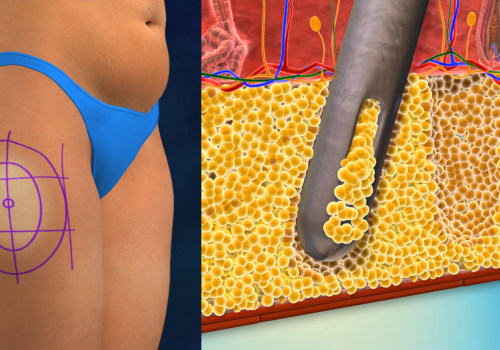
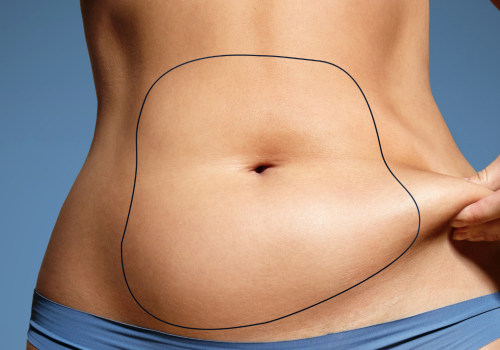
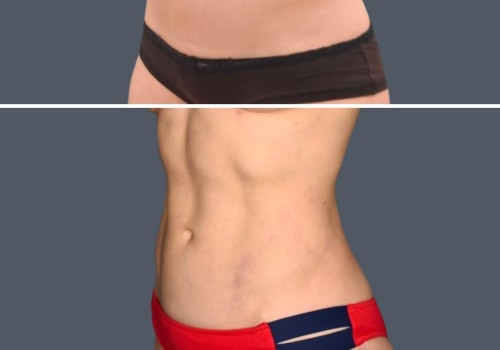
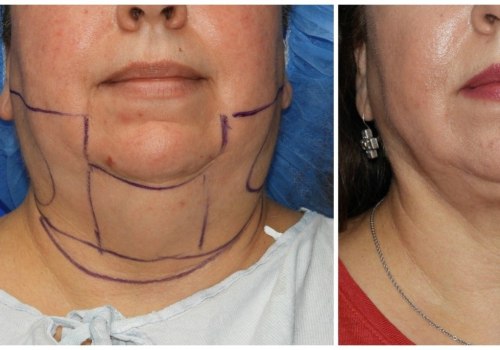
Liposuction is a popular cosmetic surgical procedure designed to remove excess fat from specific areas of the body, helping individuals achieve a more contoured and sculpted appearance. This procedure is not merely a weight-loss solution; rather, it targets stubborn fat deposits that are resistant to diet and exercise. By understanding the fundamentals of liposuction, potential candidates can make informed decisions about whether this procedure aligns with their aesthetic goals.The liposuction process involves the use of a thin tube called a cannula, which is inserted through small incisions in the skin. The surgeon then uses this cannula to suction out unwanted fat from areas such as the abdomen, thighs, buttocks, arms, and neck.
The technique can vary depending on the specific method employed, including tumescent liposuction, ultrasound-assisted liposuction, or laser-assisted liposuction. Each method has its own advantages and considerations, making it essential for patients to discuss their options with a qualified plastic surgeon.One of the primary purposes of liposuction is to enhance body contours and proportions, allowing individuals to feel more confident in their appearance. It is particularly effective for those who have achieved a stable weight but struggle with localized fat deposits that do not respond to traditional weight loss methods. However, it is crucial to approach liposuction with realistic expectations; while it can significantly improve body shape, it does not replace healthy lifestyle choices or address underlying health issues.As you delve deeper into this article, you will discover more about the various aspects of liposuction, including its benefits, potential risks, and long-term effects on body shape. The technique can vary depending on the specific method employed, including tumescent liposuction, ultrasound-assisted liposuction, or laser-assisted liposuction. Each method has its own advantages and considerations, making it essential for patients to discuss their options with a qualified plastic surgeon.One of the primary purposes of liposuction is to enhance body contours and proportions, allowing individuals to feel more confident in their appearance. It is particularly effective for those who have achieved a stable weight but struggle with localized fat deposits that do not respond to traditional weight loss methods. However, it is crucial to approach liposuction with realistic expectations; while it can significantly improve body shape, it does not replace healthy lifestyle choices or address underlying health issues.As you delve deeper into this article, you will discover more about the various aspects of liposuction, including its benefits, potential risks, and long-term effects on body shape.
Understanding these elements will empower you to make an educated choice about whether liposuction is the right path for you.
Types of Liposuction Techniques
Liposuction has evolved significantly over the years, with various techniques developed to cater to different patient needs and body types. Understanding these techniques is crucial for anyone considering the procedure, as each method offers unique benefits and considerations.Tumescent Liposuction
Tumescent liposuction is one of the most commonly performed techniques today. This method involves the injection of a large volume of a saline solution mixed with local anaesthetic and epinephrine into the targeted fat areas before the actual suctioning occurs. The solution causes the fat cells to swell and become firm, making them easier to remove.This technique not only minimises blood loss during the procedure but also reduces post-operative pain and swelling.One of the significant advantages of tumescent liposuction is that it can be performed under local anaesthesia, allowing patients to remain awake during the procedure. This can lead to a quicker recovery time and less risk associated with general anaesthesia. Additionally, because of the local anaesthetic, patients often report a more comfortable experience overall.
Ultrasound-Assisted Liposuction (UAL)
Ultrasound-assisted liposuction employs sound waves to liquefy fat cells before they are suctioned out. This technique is particularly effective for removing larger volumes of fat and is often used in areas that are more fibrous, such as the back or male breast tissue.The ultrasound energy helps break down fat cells, making them easier to extract while preserving surrounding tissues.One of the key benefits of UAL is its ability to target stubborn fat deposits that may not respond well to traditional liposuction methods. However, it is essential for patients to understand that this technique may involve a longer recovery period compared to tumescent liposuction due to potential swelling and bruising caused by the ultrasound energy.
Laser-Assisted Liposuction
Another innovative approach is laser-assisted liposuction, which uses laser energy to melt away fat before it is removed. This technique not only facilitates fat removal but also promotes skin tightening due to the heat generated by the laser. Patients often appreciate this dual benefit, as it can lead to improved skin texture and contouring in addition to fat reduction.While laser-assisted liposuction can be effective for smaller areas and offers minimal downtime, it may not be suitable for larger volumes of fat removal.As with any surgical procedure, discussing your specific goals and concerns with a qualified surgeon will help determine which technique is best suited for your needs.In conclusion, understanding the various liposuction techniques available today—such as tumescent, ultrasound-assisted, and laser-assisted liposuction—can empower potential patients to make informed decisions about their body contouring journey. Each method has its unique advantages and considerations, making it essential to consult with a qualified plastic surgeon who can guide you through your options based on your individual circumstances.
Who is a Suitable Candidate for Liposuction?
Determining whether you are a suitable candidate for liposuction involves several factors, including your overall health, body mass index (BMI), and lifestyle choices. Understanding these criteria can help you assess your eligibility for the procedure and set realistic expectations.Body Mass Index (BMI)
A key factor in determining candidacy for liposuction is your BMI. Generally, candidates should have a BMI between 30 and 40.
However, those with a BMI under 30 may also be considered if they have specific areas of stubborn fat that do not respond to diet and exercise. It is essential to note that liposuction is not a weight-loss solution; rather, it is designed to contour the body by removing localized fat deposits.
Health ConditionsHealth Conditions
Your medical history plays a crucial role in determining your suitability for liposuction. Ideal candidates should be in good overall health, without any serious medical conditions that could complicate surgery or recovery. Conditions such as heart disease, diabetes, or blood clotting disorders may disqualify you from undergoing the procedure.
A thorough consultation with your surgeon will help identify any potential risks based on your health status.
Lifestyle Factors
Your lifestyle choices significantly impact your candidacy for liposuction. Candidates should ideally be non-smokers or willing to quit smoking well in advance of the procedure, as smoking can hinder healing and increase the risk of complications. Additionally, maintaining a stable weight through a balanced diet and regular exercise is crucial. Those who lead an active lifestyle and have realistic expectations about the results are more likely to achieve satisfactory outcomes.
Age Considerations
While there is no strict age limit for liposuction, candidates should be at least 18 years old.
Older individuals may still qualify, but factors such as skin elasticity and overall health become increasingly important as one ages. Younger candidates often have better skin elasticity, which can lead to more favourable results post-surgery.In summary, suitable candidates for liposuction are typically those with a BMI within the recommended range, good overall health, a commitment to maintaining a healthy lifestyle, and realistic expectations about the procedure's outcomes. Consulting with a qualified plastic surgeon will provide personalised insights into your eligibility and help you make an informed decision.Older individuals may still qualify, but factors such as skin elasticity and overall health become increasingly important as one ages. Younger candidates often have better skin elasticity, which can lead to more favourable results post-surgery.In summary, suitable candidates for liposuction are typically those with a BMI within the recommended range, good overall health, a commitment to maintaining a healthy lifestyle, and realistic expectations about the procedure's outcomes. Consulting with a qualified plastic surgeon will provide personalised insights into your eligibility and help you make an informed decision.
Potential Risks and Complications of Liposuction
Liposuction, while often viewed as a straightforward solution for body contouring, carries a range of potential risks and complications that patients must consider before undergoing the procedure. Understanding these risks is essential for making an informed decision about your health and safety.One of the most common risks associated with liposuction is infection.As with any surgical procedure, there is a possibility of bacteria entering the body during the operation, which can lead to serious complications if not addressed promptly. Patients should be vigilant for signs of infection, such as increased redness, swelling, or discharge from the incision sites.Another significant risk is bleeding. While some bleeding is expected during and after surgery, excessive blood loss can lead to complications such as hematoma, where blood pools under the skin. This may require additional surgical intervention to resolve.
Fluid accumulation
, known as seroma, is another potential complication.
This occurs when fluid builds up in the spaces left by the removed fat cells. In some cases, this fluid may need to be drained to prevent discomfort and promote healing.Additionally, patients may experience skin irregularities , such as lumps or dimpling. These aesthetic issues can arise if the fat is not removed evenly or if the skin does not retract properly after surgery. While many of these irregularities may improve over time, some patients may require further procedures to achieve their desired results.
Nerve damage
is another concern that can lead to temporary or permanent changes in sensation in the treated areas.
Patients might experience numbness or tingling, which can be distressing and may take time to resolve.Lastly, it’s crucial to acknowledge that liposuction is not a weight-loss solution. Patients who undergo the procedure without committing to a healthy lifestyle may find that their results diminish over time due to weight gain in untreated areas. This highlights the importance of maintaining a balanced diet and regular exercise post-surgery.In conclusion, while liposuction can offer significant benefits in body contouring, it is vital for prospective patients to weigh these potential risks and complications carefully. Consulting with a qualified plastic surgeon who can provide comprehensive information and guidance tailored to individual health needs is essential for ensuring a safe and successful outcome.
Post-Operative Care and Recovery Tips
Undergoing liposuction is a significant step towards achieving your desired body shape, but the journey does not end with the surgery.Proper post-operative care is crucial for ensuring optimal healing and maximising the results of your procedure. Here are some essential tips to guide you through your recovery.
1.Follow Your Surgeon’s Instructions
Your surgeon will provide specific post-operative instructions tailored to your individual needs. It is vital to adhere to these guidelines closely, as they are designed to promote healing and prevent complications.2.Manage Pain and Discomfort
It is common to experience some pain and discomfort following liposuction. Your surgeon may prescribe pain relief medication or recommend over-the-counter options.Ensure you take these medications as directed to manage your pain effectively.
3.Wear Compression Garments
Wearing a compression garment is essential after liposuction. These garments help reduce swelling, support the healing tissues, and improve your overall contour. Follow your surgeon's advice on how long to wear them and when you can start reducing usage.4.Stay Hydrated
Hydration plays a critical role in the recovery process. Drinking plenty of water helps flush out toxins from your body and supports skin elasticity, which can aid in the healing of the treated areas.5.Rest and Limit Physical Activity
Rest is vital for recovery after liposuction.Avoid strenuous activities and heavy lifting for at least a few weeks post-surgery, as these can strain your body and hinder the healing process. Gradually reintroduce physical activity as advised by your surgeon.
6.Monitor Your Recovery
Keep an eye on your recovery progress. Look out for any signs of infection, such as increased redness, swelling, or discharge from the incision sites. If you notice any concerning symptoms, contact your surgeon immediately.7.Maintain a Healthy Diet
A balanced diet rich in vitamins and minerals can significantly impact your recovery.Focus on consuming whole foods, including fruits, vegetables, lean proteins, and whole grains, to support your body’s healing processes.
8.Be Patient with Your Results
It’s important to remember that the final results of liposuction may take time to become fully apparent as swelling subsides and your body adjusts to its new shape. Patience is key during this period.By following these post-operative care tips diligently, you can enhance your recovery experience and achieve the best possible outcomes from your liposuction procedure.Long-Term Results: What to Expect After Liposuction
Understanding the long-term results of liposuction is crucial for anyone considering this procedure. While liposuction can effectively reshape the body by removing stubborn fat deposits, it is essential to recognise that the journey does not end once the surgery is complete. Patients often wonder what to expect in the years following their procedure, particularly regarding body shape, weight management, and overall satisfaction with their results.One of the most significant factors influencing the longevity of liposuction results is lifestyle.Maintaining a healthy diet and regular exercise routine is vital for preserving the newly sculpted body. After liposuction, patients typically experience a period of adjustment as their bodies heal and adapt to their new contours. During this time, it is common to see some fluctuations in weight as swelling subsides and the body stabilises.
Maintaining Results After Liposuction
To ensure that the results of liposuction remain visible over time, patients should consider the following:- Healthy Eating: A balanced diet rich in fruits, vegetables, lean proteins, and whole grains can help maintain a stable weight. Avoiding processed foods and excessive sugar can prevent unwanted weight gain.
- Regular Exercise: Incorporating both cardiovascular and strength training exercises into your routine can help keep your metabolism active and support muscle tone.
- Hydration: Staying well-hydrated aids in overall health and can improve skin elasticity, which is crucial for maintaining a youthful appearance.
- Avoiding Yo-Yo Dieting: Fluctuating weight can lead to skin laxity and diminish the aesthetic results of liposuction.
Aim for gradual weight changes rather than drastic losses or gains.
It is essential to approach liposuction as part of a broader strategy for health and wellness rather than a standalone solution.
Common Myths and Misconceptions About Liposuction
Liposuction is often surrounded by a cloud of myths and misconceptions that can lead to confusion and hesitation among potential candidates. Understanding the truth behind these myths is crucial for anyone considering this procedure. Here, we will debunk some of the most common misconceptions about liposuction.Myth 1: Liposuction is a Weight Loss Solution
One of the most prevalent myths is that liposuction is a method for significant weight loss. In reality, liposuction is designed for body contouring rather than weight reduction.It effectively removes localized fat deposits that are resistant to diet and exercise, but it is not intended for those who are significantly overweight. Candidates should ideally be at or near their target weight before considering the procedure.
Myth 2: Liposuction Results are Permanent
While it is true that liposuction permanently removes fat cells from the treated areas, it does not prevent future weight gain. If a patient does not maintain a healthy lifestyle post-surgery, remaining fat cells can expand, leading to new fat accumulation in other areas of the body. Therefore, maintaining a balanced diet and regular exercise is essential for preserving results.Myth 3: Liposuction Can Eliminate Cellulite
Another common misconception is that liposuction can effectively treat cellulite.Cellulite is caused by structural changes in the skin and underlying fat, and while liposuction may remove some fat, it does not address the fibrous bands that cause the dimpled appearance of cellulite. Patients seeking to improve the appearance of cellulite should explore other treatment options.
Myth 4: Liposuction is a Quick Fix
Many people believe that liposuction offers an instant solution to body image issues. However, while the procedure can provide immediate results, it requires time for recovery and for swelling to subside before the final results are visible. Additionally, achieving and maintaining optimal results necessitates ongoing commitment to a healthy lifestyle.Myth 5: Anyone Can Get Liposuction
Liposuction is not suitable for everyone.Ideal candidates are those who are in good health, have realistic expectations, and understand the risks involved. Factors such as age, skin elasticity, and overall health can influence eligibility for the procedure. A thorough consultation with a qualified surgeon is essential to determine if liposuction is appropriate.By addressing these myths , potential candidates can make informed decisions about whether liposuction aligns with their goals and expectations. It’s important to consult with a qualified professional who can provide accurate information tailored to individual circumstances.
Cost Considerations: Is Liposuction Worth It?
When considering liposuction, one of the most significant factors to evaluate is the cost associated with the procedure.Understanding the financial implications can help you make an informed decision about whether this body contouring option is right for you.The cost of liposuction can vary widely based on several factors, including:
- Geographic Location: Prices can differ significantly depending on where you live. Urban areas with a higher cost of living typically charge more for surgical procedures.
- Surgeon’s Experience: A board-certified plastic surgeon with extensive experience may charge more than a less experienced practitioner. However, opting for a highly qualified surgeon can lead to better results and fewer complications.
- Type of Liposuction: There are various techniques available, such as tumescent liposuction, ultrasound-assisted liposuction, and laser-assisted liposuction. Each method has its own cost structure.
- Areas Treated: The more areas you wish to treat, the higher the overall cost.
For instance, treating multiple body parts will naturally increase the price compared to a single area.
This may involve ongoing costs related to fitness memberships, dietary changes, or additional cosmetic procedures in the future.If financing is a concern, many clinics offer payment plans or financing options that allow patients to spread the cost over time. These options can make liposuction more accessible by breaking down the total amount into manageable monthly payments. It’s advisable to discuss these options during your consultation to find a plan that suits your budget.Ultimately, determining whether liposuction is worth the investment depends on your personal goals and financial situation. Weighing the costs against the potential benefits—such as increased confidence and improved body image—can help you make a decision that aligns with your values and aspirations.
Conclusion: Making an Informed Decision About Liposuction
In conclusion, the decision to undergo liposuction is not one to be taken lightly.It is essential to weigh the benefits against the potential risks and long-term implications. Throughout this article, we have explored various facets of liposuction, from its effectiveness in contouring the body to the challenges that may arise post-procedure.Firstly, it is crucial to understand that while liposuction can provide immediate aesthetic improvements, it is not a substitute for a healthy lifestyle. Maintaining a balanced diet and regular exercise is vital for preserving the results achieved through surgery. Patients who neglect these aspects may find that their results diminish over time as remaining fat cells can still expand.Moreover, we discussed the common challenges faced by patients after liposuction, such as skin laxity and irregular body contours.
These issues can often be addressed with non-surgical interventions, but they highlight the importance of having realistic expectations about the outcomes of the procedure.Additionally, it is important to consider the psychological aspects of undergoing liposuction. Many individuals seek this procedure with the hope that it will resolve deeper emotional or social issues related to body image. However, it is essential to approach liposuction as a cosmetic enhancement rather than a solution to personal problems.Before making a final decision, potential candidates should consult with qualified plastic surgeons who can provide comprehensive information tailored to their individual circumstances. This includes discussing medical history, understanding the procedure in detail, and exploring alternative options if necessary.Ultimately, making an informed decision about liposuction involves careful consideration of all these factors.
By doing so, individuals can ensure that they are choosing a path that aligns with their health goals and personal values.