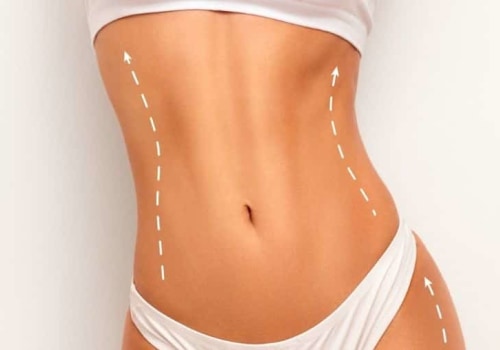
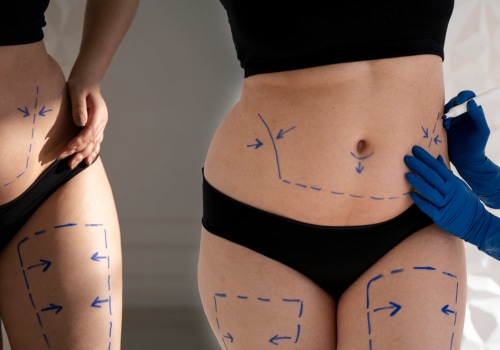
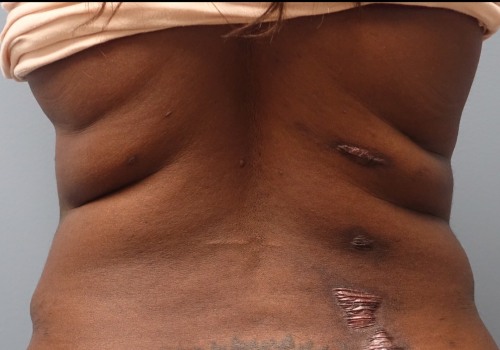
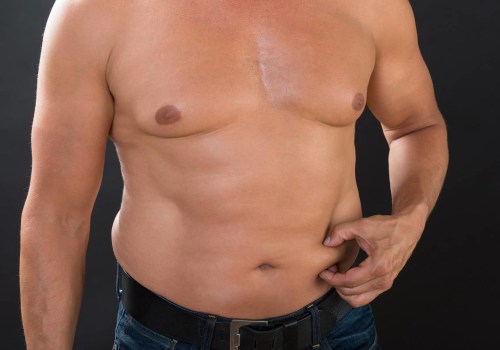
Liposuction is a popular cosmetic procedure designed to remove stubborn fat deposits from various areas of the body, helping individuals achieve a more contoured and sculpted appearance. This surgical technique is not intended for weight loss but rather for targeting specific regions where fat tends to accumulate despite a healthy lifestyle. Common areas treated with liposuction include the abdomen, thighs, buttocks, arms, and neck. By understanding what liposuction entails, potential candidates can make informed decisions about whether this procedure aligns with their aesthetic goals.The liposuction procedure involves the use of a thin tube known as a cannula, which is inserted through small incisions in the skin.
The cannula is connected to a vacuum device that gently suctions out excess fat. This method allows for precise fat removal while minimising damage to surrounding tissues. Depending on the patient's needs and the surgeon's expertise, various techniques can be employed, including tumescent liposuction, ultrasound-assisted liposuction, and laser-assisted liposuction. Each technique has its own advantages and may be more suitable for different body types and fat distribution patterns.Understanding how liposuction works is crucial for anyone considering the procedure.
It begins with an initial consultation where the surgeon evaluates the patient's health, discusses their goals, and determines if they are a suitable candidate. During the surgery, local or general anaesthesia is administered to ensure comfort. The surgeon then carefully removes fat from targeted areas, sculpting the body to enhance its natural contours. Post-operative care is essential for optimal recovery and results, including following specific guidelines provided by the surgeon.
Who is a Suitable Candidate for Liposuction?
Determining whether you are a suitable candidate for liposuction involves a careful assessment of various factors, including your overall health, body weight, and skin quality.Understanding these criteria is essential for anyone considering this procedure.
Health Status
First and foremost, candidates must be in good health. This means having no serious underlying medical conditions that could complicate the surgery or recovery process. Conditions such as:
- Cardiovascular diseases
- Diabetes
- Blood clotting disorders
- Severe respiratory issues
- Immunocompromised states
Body Weight
The ideal candidate for liposuction is typically someone who is within 30% of their target body weight.
This means that if you are aiming for a specific weight, you should be close to achieving it before considering the procedure. Liposuction is not intended as a weight-loss solution; rather, it is designed to remove stubborn fat deposits that remain despite a healthy diet and regular exercise.If you are significantly overweight or obese, it is advisable to pursue weight loss through lifestyle changes first. Not only will this improve your overall health, but it will also enhance the results of liposuction if you decide to proceed later.
Skin Quality
The condition of your skin plays a vital role in determining your candidacy for liposuction. As we age, our skin loses elasticity and firmness, which can lead to sagging after fat removal.
Candidates with good skin elasticity are more likely to achieve satisfactory results from the procedure. If your skin is loose or sagging, you may need to consider other options, such as a tummy tuck or skin tightening procedures, before undergoing liposuction.
Realistic Expectations
Lastly, having realistic expectations about the outcomes of liposuction is crucial. While the procedure can significantly enhance body contours, it is not a miracle solution for body image issues or an alternative to healthy living. Candidates should understand that maintaining a stable weight post-procedure is essential for long-lasting results.In summary, suitable candidates for liposuction are those who are in good health, close to their ideal body weight, possess good skin quality, and have realistic expectations about the results.Lastly, having realistic expectations about the outcomes of liposuction is crucial. While the procedure can significantly enhance body contours, it is not a miracle solution for body image issues or an alternative to healthy living. Candidates should understand that maintaining a stable weight post-procedure is essential for long-lasting results.In summary, suitable candidates for liposuction are those who are in good health, close to their ideal body weight, possess good skin quality, and have realistic expectations about the results.
Consulting with a qualified surgeon will provide further insights into whether liposuction is the right choice for you.
Health Considerations Before Undergoing Liposuction
Before considering liposuction, it is essential to evaluate your overall health and any existing medical conditions that could impact the safety and effectiveness of the procedure. Understanding these health considerations can help you make an informed decision and ensure a smoother surgical experience.Health Risks Associated with Liposuction
Liposuction, like any surgical procedure, carries inherent risks. Some potential complications include:
- Infection: Post-operative infections can occur, necessitating prompt medical attention.
- Blood Clots: There is a risk of developing blood clots in the legs, which can be serious if they travel to the lungs.
- Fluid Accumulation: Seromas, or pockets of fluid, may form under the skin after surgery.
- Nerve Damage: Temporary or permanent changes in sensation can occur in the treated areas.
- Scarring: While incisions are made discreetly, some scarring is inevitable.
Medical Conditions That May Disqualify You
Certain medical conditions can significantly increase the risks associated with liposuction or may disqualify you from being a candidate altogether. These include:
- Cardiovascular Issues: Conditions such as coronary artery disease or heart rhythm disorders can complicate surgery and recovery.
- Diabetes: Uncontrolled diabetes can impair healing and increase the risk of infection.
- Poor Circulation: Conditions that affect blood flow may hinder recovery and lead to complications.
- Obesity: Individuals with a body mass index (BMI) over 30 may face higher risks and should consider weight loss before surgery.
- Autoimmune Disorders: These conditions can affect healing and increase susceptibility to infections.
The Importance of Pre-Surgery Health Checks
A thorough pre-surgery evaluation is crucial for anyone considering liposuction.
This typically includes:
- Medical History Review: Your surgeon will assess your complete medical history to identify any potential risks.
- Physical Examination: A physical exam will help determine your overall health and suitability for surgery.
- BMI Assessment: Your body mass index will be calculated to ensure you are within a safe range for liposuction.
- Blood Tests: Routine blood tests may be conducted to check for underlying health issues that could complicate surgery.
Liposuction vs. Weight Loss: Understanding the Differences
When considering body contouring options, many individuals often confuse liposuction with traditional weight loss methods. It is essential to understand that while both aim to improve body shape, they serve different purposes and are suitable for different candidates.Liposuction
is primarily a cosmetic procedure designed to remove stubborn fat deposits from specific areas of the body.
It is not intended as a weight loss solution. Instead, it targets localized fat that remains resistant to diet and exercise, allowing for a more sculpted appearance. In contrast, traditional weight loss methods, such as diet and exercise, focus on reducing overall body weight.Here are some key differences between liposuction and weight loss:
- Purpose: Liposuction is aimed at contouring the body by removing fat from specific areas, while weight loss methods aim to reduce overall body mass.
- Candidacy: Ideal candidates for liposuction are typically individuals who are near their target weight but have stubborn fat pockets. In contrast, those who are significantly overweight may benefit more from lifestyle changes or medical interventions.
- Results: Liposuction can provide immediate results in terms of body shape, whereas weight loss through diet and exercise may take time and requires ongoing commitment.
- Health Considerations: Liposuction is a surgical procedure that carries risks and requires recovery time.
Weight loss through lifestyle changes is generally safer and promotes overall health improvements.
The Importance of Stable Weight Before Liposuction
Before considering liposuction, it is essential to understand the significance of maintaining a stable weight.This procedure is designed to sculpt and contour the body by removing stubborn fat deposits, but it is not a weight-loss solution. Therefore, candidates should ideally be at or near their target weight prior to surgery.Weight fluctuations can significantly impact the outcomes of liposuction. If a patient undergoes the procedure while still experiencing changes in their weight, the results may not be as effective or long-lasting. For instance, gaining weight after liposuction can lead to the accumulation of fat in areas that were previously treated, potentially negating the benefits of the surgery.Moreover, when patients are in a state of weight fluctuation, their body may not respond predictably to the procedure.
The skin's elasticity and overall appearance can be adversely affected by rapid weight loss or gain, leading to complications such as sagging skin or uneven contours. Therefore, achieving a stable weight for at least six months before undergoing liposuction is highly recommended.In addition to ensuring better surgical outcomes, maintaining a stable weight also contributes to overall health and well-being. Patients who focus on adopting a balanced diet and regular exercise routine are more likely to achieve sustainable results from liposuction. This lifestyle approach not only prepares the body for surgery but also aids in recovery and enhances long-term satisfaction with the results.After undergoing liposuction, it is equally important to maintain a stable weight.
Engaging in healthy habits post-surgery can help preserve the newly contoured body shape. Patients should be aware that while liposuction removes fat cells from targeted areas, it does not prevent future weight gain. Therefore, adopting a proactive approach towards diet and exercise is crucial for maintaining results.In summary, achieving and maintaining a stable weight before and after liposuction is vital for optimal results. Candidates should focus on lifestyle changes that promote health and stability, ensuring that they are well-prepared for the procedure and capable of enjoying lasting benefits.
Skin Quality and Its Impact on Liposuction Results
When considering liposuction, one of the critical factors that can significantly influence the outcome of the procedure is the quality of your skin.The skin's elasticity and firmness play a vital role in how well it can adapt to the new contours of your body after fat removal. Understanding this relationship is essential for anyone contemplating liposuction.
Skin Elasticity and Liposuction
As we age, our skin naturally loses its elasticity due to a decrease in collagen production and other factors such as sun exposure and lifestyle choices. This loss of elasticity can lead to sagging skin, which may not retract properly after liposuction. If your skin lacks the ability to bounce back, you might be left with loose or sagging areas post-procedure, which can detract from the overall aesthetic results.For individuals with good skin elasticity, liposuction can yield more satisfying results, as the skin is more likely to conform to the new body shape.
Conversely, those with compromised skin quality may find that additional procedures are necessary to achieve their desired appearance.
Assessing Your Skin Quality
Before undergoing liposuction, it is crucial to have an honest assessment of your skin quality. Factors to consider include:
- Age: Older individuals typically experience reduced skin elasticity.
- Genetics: Some people are genetically predisposed to have firmer skin.
- Sun Damage: Prolonged sun exposure can lead to premature aging and loss of elasticity.
- Weight Fluctuations: Significant weight loss or gain can stretch the skin, affecting its ability to retract.
Additional Procedures for Sagging Skin
If it is determined that your skin quality is inadequate for liposuction alone, you may need to consider additional surgical options. Procedures such as a tummy tuck (abdominoplasty) or arm lift (brachioplasty) can remove excess skin and provide a more toned appearance. These surgeries can be performed in conjunction with liposuction for optimal results.In conclusion, while liposuction can be an effective way to remove stubborn fat deposits, it is essential to consider your skin quality beforehand.
A thorough evaluation by a skilled surgeon will help determine whether you are a suitable candidate for the procedure or if additional interventions are necessary to achieve your aesthetic goals.
Different Techniques of Liposuction Explained
Liposuction has evolved significantly over the years, leading to the development of various techniques tailored to meet individual patient needs. Each method offers unique advantages and is suited for different body types and fat distribution patterns. Below, we explore some of the most common liposuction techniques available today.Tumescent Liposuction
Tumescent liposuction is one of the most widely used techniques in cosmetic surgery. This method involves injecting a solution containing saline, lidocaine, and epinephrine into the targeted fat areas before the actual suctioning process begins.The saline solution helps to swell and firm the fat, making it easier to remove. The lidocaine provides local anaesthesia, ensuring that patients experience minimal discomfort during the procedure, while epinephrine constricts blood vessels, reducing bleeding and bruising.The benefits of tumescent liposuction include:
- Minimised pain: The local anaesthetic allows for a more comfortable experience.
- Reduced recovery time: Patients often experience quicker healing due to less trauma to surrounding tissues.
- Less bleeding: The use of epinephrine helps control blood loss during surgery.
Ultrasound-Assisted Liposuction (UAL)
Ultrasound-assisted liposuction employs sound wave technology to break down fat cells before they are suctioned out. This technique is particularly effective for fibrous areas of the body, such as the back or male breast tissue. During UAL, a small ultrasound probe is inserted into the treatment area, emitting sound waves that liquefy fat cells, making them easier to remove.The advantages of ultrasound-assisted liposuction include:- Effective for dense fat: UAL is particularly beneficial for patients with stubborn fat deposits that are resistant to traditional liposuction methods.
- Improved contouring: The technique allows for more precise sculpting of the body.
- Less trauma: The liquefaction process can lead to less damage to surrounding tissues compared to traditional methods.
Each method has its own set of benefits and is designed to cater to specific needs and body types. Consulting with a qualified surgeon can help determine which technique is best suited for achieving your desired results.
Setting Realistic Expectations for Liposuction Outcomes
When considering liposuction, it is essential to set realistic expectations regarding the outcomes of the procedure. Many individuals envision a dramatic transformation, but understanding the limitations and potential results can lead to greater satisfaction post-surgery.Firstly, it is important to recognise that liposuction is not a weight-loss solution. Instead, it is designed to target specific areas of stubborn fat that do not respond to diet and exercise.Therefore, candidates should ideally be within 30% of their ideal body weight. This ensures that the results are more pronounced and aesthetically pleasing.Moreover, the results of liposuction can vary significantly from person to person. Factors such as body type, skin elasticity, and overall health play a crucial role in determining the final outcome. For instance, individuals with good skin elasticity may experience better contouring effects than those with sagging skin.
In cases where skin quality is poor, additional procedures like a tummy tuck may be necessary to achieve the desired appearance.Another aspect to consider is the recovery process. Post-surgery swelling and bruising are common and can obscure the final results for several weeks or even months. It is vital for patients to understand that the full effects of liposuction may not be visible immediately after the procedure. Patience is key during this healing period.Additionally, maintaining a stable weight after liposuction is crucial for preserving results.
While the procedure removes fat cells from targeted areas, it does not prevent new fat from accumulating if lifestyle changes are not adopted. Therefore, a commitment to a healthy diet and regular exercise is essential for long-term satisfaction with liposuction outcomes.In summary, setting realistic expectations for liposuction involves understanding its purpose as a body contouring procedure rather than a weight-loss method. By acknowledging individual factors that influence results and committing to a healthy lifestyle post-surgery, patients can achieve satisfying outcomes that enhance their body shape.
Consultation: What to Expect Before Your Liposuction Procedure
Undergoing liposuction is a significant decision that requires careful consideration and planning. The first step in this journey is the consultation with a qualified surgeon.This meeting is crucial as it sets the foundation for your understanding of the procedure, its risks, and its potential outcomes.During the consultation, you can expect a thorough discussion about your medical history, lifestyle, and specific goals regarding liposuction. It is essential to be open and honest with your surgeon about any pre-existing health conditions, medications you are taking, and your overall health status. This information will help the surgeon assess your suitability for the procedure.
What Happens in a Consultation?
The consultation typically begins with an evaluation of your body and the areas you wish to target. The surgeon will examine your skin quality, fat distribution, and overall body composition.They may also take photographs for your medical records and to help plan the procedure.Following the examination, the surgeon will explain the different techniques available for liposuction, such as tumescent liposuction or ultrasound-assisted liposuction. Each method has its advantages and may be more suitable depending on your individual circumstances.Additionally, this is an excellent opportunity for you to ask questions. Consider inquiring about:
- The surgeon's experience: How many liposuction procedures have they performed?
- Expected results: What can you realistically expect from the surgery?
- Recovery process: What does the post-operative care entail?
- Risks and complications: What are the potential side effects or complications associated with liposuction?
Preparing for Your Consultation
To make the most of your consultation, it’s advisable to prepare in advance. Write down any questions or concerns you may have regarding the procedure.Additionally, consider bringing a list of medications you are currently taking and any relevant medical records.It may also be beneficial to have realistic expectations about what liposuction can achieve. Remember that while it can enhance body contours, it is not a weight-loss solution. Understanding this distinction will help you engage in a more productive dialogue with your surgeon.In conclusion, the consultation process is an integral part of preparing for liposuction. By being well-prepared and informed, you can ensure that you make a decision that aligns with your health goals and aesthetic desires.
<strong>Conclusion</strong>
In conclusion, the decision to undergo liposuction is a significant one that requires careful consideration of various factors.While this procedure can effectively target stubborn fat deposits and enhance body contours, it is not a universal solution for everyone. Understanding your individual circumstances is crucial in determining whether liposuction is the right choice for you.Firstly, it is essential to recognise that liposuction is not intended as a weight-loss method. It is designed for individuals who are already close to their ideal body weight but struggle with specific areas of fat that resist diet and exercise. Therefore, if you are significantly overweight or have not yet achieved a stable weight through lifestyle changes, it may be advisable to focus on healthy eating and regular physical activity before considering this surgical option.Moreover, the quality of your skin plays a vital role in the success of liposuction.
Patients with loose or sagging skin may find that the results do not meet their expectations, as the skin may not retract adequately after fat removal. In such cases, alternative procedures like a tummy tuck might be more appropriate to achieve the desired aesthetic outcome.Additionally, it is imperative to consult with a qualified and experienced surgeon who can provide a thorough assessment of your health and suitability for the procedure. They will consider your medical history, current health status, and aesthetic goals to help you make an informed decision.Ultimately, having realistic expectations about what liposuction can achieve is crucial. This procedure should be viewed as a complement to a healthy lifestyle rather than a replacement for it.
By understanding the limitations and potential outcomes of liposuction, you can approach your body transformation journey with clarity and confidence.In summary, if you are contemplating liposuction, take the time to evaluate your motivations, health status, and long-term goals. With the right preparation and mindset, liposuction can be a valuable tool in achieving your desired body shape.