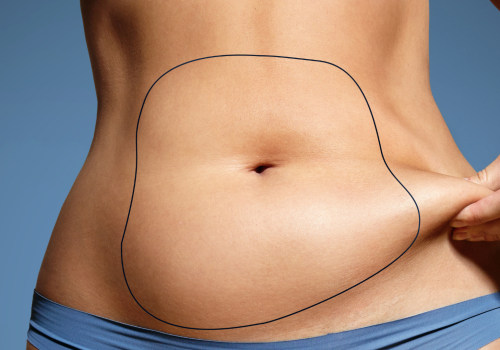
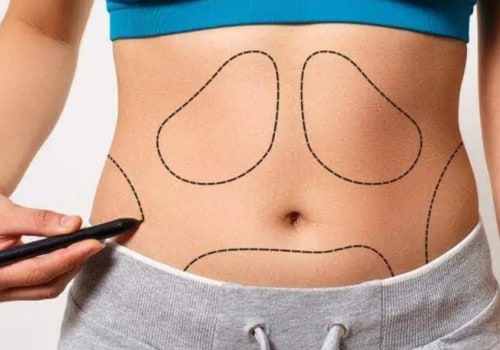
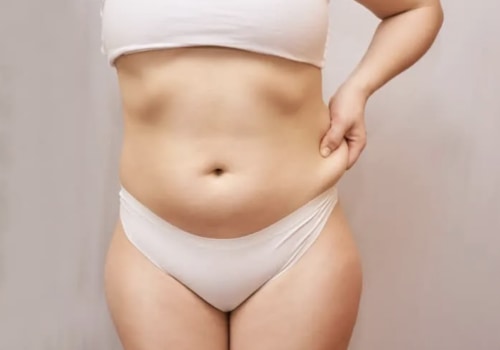
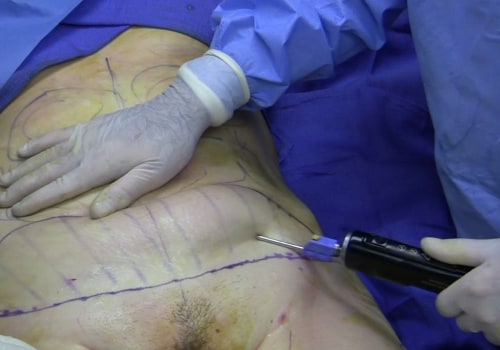
Liposuction is a popular cosmetic procedure designed to remove excess fat from specific areas of the body, helping individuals achieve a more contoured and sculpted appearance. Often referred to as body contouring, this surgical technique targets stubborn fat deposits that are resistant to diet and exercise. It is important to note that liposuction is not a weight-loss solution but rather a method to enhance body shape and proportions.The liposuction procedure involves the use of a thin tube called a cannula, which is inserted through small incisions in the skin. The surgeon then uses this cannula to suction out unwanted fat from the targeted areas.
Common sites for liposuction include the abdomen, thighs, buttocks, arms, neck, and back. The procedure can be performed under local or general anaesthesia, depending on the extent of fat removal and the patient's preferences.Understanding how liposuction works is crucial for anyone considering this procedure. During the operation, the surgeon first injects a solution containing saline, anaesthetic, and epinephrine into the treatment area. This solution helps to numb the area, reduce bleeding, and facilitate fat removal.
Once the area is adequately prepared, the surgeon carefully manoeuvres the cannula to break up and extract fat cells. The entire process typically lasts between one to three hours, depending on the number of areas being treated.Ultimately, liposuction can provide significant improvements in body shape and self-esteem for those who are good candidates for the procedure. However, it is essential to have realistic expectations and understand that results may vary based on individual factors such as skin elasticity and overall health. As we delve deeper into this topic, we will explore important considerations regarding safety, potential risks, and how much fat can be safely removed during a single session.
Who is a Suitable Candidate for Liposuction?
Determining whether you are a suitable candidate for liposuction involves a comprehensive evaluation of various factors, including your weight, body mass index (BMI), and overall health.Understanding these criteria is essential for anyone considering this cosmetic procedure.
Ideal Weight Range
Before contemplating liposuction, it is crucial to be within your ideal weight range. Most plastic surgeons recommend that candidates should ideally be within 30 pounds of their target weight. This guideline helps ensure that the procedure will yield satisfactory results and that the patient is not at an increased risk of complications. Being at or near your ideal weight allows liposuction to effectively target stubborn fat deposits without compromising your overall health.
BMI Considerations
BMI is a significant factor in determining candidacy for liposuction.
A BMI of less than 30 is generally considered optimal for candidates. Those with a BMI between 30 and 35 may still qualify, but they should be aware that the results may not be as pronounced, and additional procedures like a tummy tuck might be recommended to achieve desired outcomes. If your BMI exceeds 35, it is advisable to focus on weight loss through diet and exercise before considering liposuction.A BMI of less than 30 is generally considered optimal for candidates. Those with a BMI between 30 and 35 may still qualify, but they should be aware that the results may not be as pronounced, and additional procedures like a tummy tuck might be recommended to achieve desired outcomes. If your BMI exceeds 35, it is advisable to focus on weight loss through diet and exercise before considering liposuction.
Overall Health Factors
Your overall health plays a vital role in determining if you are a suitable candidate for liposuction. Factors such as age, medical history, and lifestyle choices (like smoking) can influence the safety and effectiveness of the procedure.
Candidates should ideally be in good health, without any underlying conditions that could complicate surgery or recovery.During the consultation process, your surgeon will assess these factors thoroughly. They will discuss your medical history, evaluate your current health status, and set realistic expectations regarding the outcomes of liposuction. It is essential to have open communication with your surgeon to ensure that you understand the risks and benefits associated with the procedure.In summary, being a suitable candidate for liposuction requires careful consideration of your weight, BMI, and overall health. By meeting these criteria, you can increase your chances of achieving successful results while minimising potential risks associated with the surgery.
The Risks of Liposuction: How Much is Too Much?
Liposuction, while often viewed as a straightforward solution for body contouring, carries inherent risks and potential complications that must be carefully considered.Understanding these risks is crucial for anyone contemplating the procedure, as it helps set realistic expectations and promotes informed decision-making.One of the primary concerns with liposuction is the amount of fat that can be safely removed. Surgeons typically adhere to strict guidelines to ensure patient safety. The maximum volume of fat that can be extracted in a single session is generally capped at 5,000 ml5,000 ml, which is approximately 11 pounds11 pounds. Exceeding this limit can significantly increase the risk of complications, including fluid imbalance and other serious health issues.Among the potential complications associated with liposuction are:
- Infection: As with any surgical procedure, there is a risk of infection at the incision sites.
Proper aftercare and hygiene are essential to mitigate this risk.
- Bleeding: Excessive bleeding during or after the procedure can occur, leading to hematomas or the need for further surgical intervention.
- Fluid Accumulation: Seromas, or pockets of fluid, may develop under the skin post-surgery, requiring drainage.
- Nerve Damage: Temporary or permanent nerve damage can result in altered sensation in the treated areas.
- Scarring: While surgeons strive to make incisions as discreet as possible, scarring is an inevitable part of any surgical procedure.
- Uneven Results: Liposuction may not always yield perfectly symmetrical results, leading to dissatisfaction with the outcome.
Understanding Body Mass Index (BMI) in Relation to Liposuction
When considering liposuction, understanding your Body Mass Index (BMI) is crucial.BMI serves as a screening tool that helps assess whether an individual is within a healthy weight range for surgical procedures. It is calculated using a person's height and weight, providing a numerical value that categorises individuals into various weight classifications, such as underweight, normal weight, overweight, and obese.For those contemplating liposuction, a BMI of less than 30 is generally considered ideal. This range indicates that the individual is likely to have sufficient skin elasticity and overall health to undergo the procedure with minimal risk. Patients within this category often experience more satisfactory results, as their bodies are better equipped to handle the changes brought about by fat removal.However, if your BMI falls between 30 and 35, you may still be eligible for liposuction, but it is essential to consider the potential outcomes carefully.
In this range, while fat can be removed effectively, there may be concerns regarding skin laxity. The removal of fat in individuals with significant abdominal skin stretching can lead to sagging skin post-procedure, which might necessitate additional surgical interventions such as a tummy tuck.For those with a BMI over 35, liposuction may not be the most suitable option. At this level, the risks associated with surgery increase significantly, and the likelihood of achieving desired results diminishes. Instead of pursuing liposuction, individuals in this category are often advised to focus on weight loss through lifestyle changes or alternative methods before considering surgical options.It is important to note that while BMI provides valuable insights into candidacy for liposuction, it should not be the sole determinant.
Factors such as muscle mass, body composition, genetics, and overall health play significant roles in evaluating whether an individual is a good candidate for surgery. For instance, someone with a higher muscle mass may have a higher BMI but still be in excellent health and suitable for liposuction.During your consultation with a qualified plastic surgeon, they will assess your BMI alongside other factors to determine the best course of action tailored to your unique needs. This comprehensive evaluation ensures that you receive personalised advice and care that aligns with your health goals.In summary, while BMI is an important factor in determining candidacy for liposuction, it should be considered alongside other individual characteristics and health factors. A thorough consultation with a board-certified plastic surgeon will provide clarity on whether liposuction is right for you.
Liposuction vs.
Other Weight Loss ProceduresWhen considering body contouring and weight loss, many individuals find themselves weighing the options between liposuction, tummy tucks, and various non-surgical alternatives. Each procedure has its unique benefits and limitations, making it essential to understand how they compare to make an informed decision.
Liposuction vs. Tummy Tuck
Liposuction is primarily designed to remove stubborn fat deposits from specific areas of the body, such as the abdomen, thighs, and arms. It is not a weight-loss solution but rather a body sculpting procedure that can enhance your overall shape.Ideal candidates are those who are close to their target weight but struggle with localized fat that does not respond to diet and exercise.On the other hand, a tummy tuck, or abdominoplasty, focuses on removing excess skin and fat from the abdominal area while tightening the underlying muscles. This procedure is particularly beneficial for individuals who have experienced significant weight loss or pregnancy, resulting in loose skin and weakened abdominal muscles. While both procedures can improve body contours, they serve different purposes and may be more suitable for different individuals.
Alternatives to Liposuction
For those seeking non-invasive options, several alternatives to liposuction are available:- Cryolipolysis (CoolSculpting): This non-surgical treatment freezes fat cells, causing them to die off gradually. It is effective for small areas of fat but requires multiple sessions for optimal results.
- Ultrasound Fat Reduction: This technique uses ultrasound waves to target and break down fat cells without damaging surrounding tissues.
It is a painless option with minimal downtime.
- Radiofrequency Treatments: These treatments use radiofrequency energy to heat and destroy fat cells while also tightening the skin. They can be effective for body contouring with little recovery time.
Choosing the Right Procedure
The choice between liposuction, tummy tuck, or non-surgical alternatives should be based on individual goals, body type, and health status. Consulting with a qualified plastic surgeon can help clarify which option aligns best with your needs. They will assess your body composition, discuss your aesthetic goals, and recommend a tailored approach that considers both safety and effectiveness.Ultimately, understanding the differences between these procedures empowers you to make an informed decision that aligns with your personal health journey.Setting Realistic Expectations: What to Anticipate Post-Procedure
Undergoing liposuction is a significant decision that can lead to transformative changes in your body.However, it is crucial to set realistic expectations regarding the outcomes and recovery process. Understanding what to anticipate post-procedure can help you navigate your journey more smoothly and avoid potential disappointments.
Recovery Timeline
- Immediate Aftermath: After the procedure, patients typically experience swelling, bruising, and discomfort in the treated areas. These symptoms are normal and can last for several days.
- First Week: Most individuals can return to light activities within a few days, but strenuous exercise should be avoided for at least two weeks. Pain management may be necessary during this period.
- Two to Four Weeks: By this time, many patients notice a significant reduction in swelling and an improvement in mobility.
However, some residual swelling may persist for several weeks.
- Full Recovery: Complete healing can take several months, with final results becoming apparent around six months post-surgery. Patience is key during this phase.
Understanding Results
The results of liposuction can vary significantly based on individual factors such as body type, the amount of fat removed, and adherence to post-operative care instructions. While many patients are pleased with their new contours, it is essential to remember that liposuction is not a weight-loss solution but rather a body contouring procedure.
Managing Expectations
To ensure satisfaction with your results, consider the following:
- Consultation with Your Surgeon: Discuss your goals and concerns thoroughly during your consultation. A skilled surgeon will provide insights into what is achievable based on your unique anatomy.
- Acknowledge Limitations: Understand that liposuction cannot address skin laxity or eliminate cellulite.
If these are concerns for you, additional procedures may be necessary.
- Focus on Lifestyle Changes: To maintain your results long-term, commit to a healthy lifestyle that includes balanced nutrition and regular exercise.
Consultation with a Plastic Surgeon: What to Discuss?
When considering liposuction, the consultation with a plastic surgeon is a crucial step in the journey towards achieving your desired body shape. This meeting is not just a formality; it is an opportunity for you to gather essential information and for the surgeon to assess your suitability for the procedure. Here are some key topics and questions to discuss during your consultation:Understanding the Procedure
- What techniques do you use for liposuction? Different techniques, such as tumescent, ultrasound-assisted, or laser-assisted liposuction, can yield varying results.
Understanding the method your surgeon prefers will help you gauge their expertise and the expected outcomes.
- What are the potential risks and complications? Every surgical procedure carries risks. Discussing these openly will help you make an informed decision and prepare for any possible outcomes.
- How much fat can be safely removed? Knowing the maximum amount of fat that can be removed during your procedure is vital. This will help set realistic expectations regarding your results.
Your Health and Medical History
- Do you have experience with patients of my body type? It’s important to choose a surgeon who has experience with cases similar to yours, as this can influence the success of your surgery.
- What should I disclose about my medical history? Be prepared to discuss any previous surgeries, medical conditions, or medications you are taking. This information is crucial for assessing your candidacy for liposuction.
Post-Operative Care and Recovery
- What does the recovery process look like? Understanding what to expect after surgery, including downtime and any restrictions on activities, will help you plan accordingly.
- Will I need follow-up appointments? Regular follow-ups are essential for monitoring your recovery and addressing any concerns that may arise.
Look for someone who is board-certified and has a solid track record in performing liposuction. Trust your instincts; if something feels off during the consultation, it may be worth seeking a second opinion. Remember, this is your body and your health at stake, so ensure that you feel comfortable and confident in your surgeon's abilities.
Conclusion: Making an Informed Decision About Liposuction
In conclusion, the journey towards considering liposuction is one that requires careful thought and a thorough understanding of the procedure, its limitations, and the individual factors that influence its success. Throughout this article, we have explored various aspects of liposuction, including the ideal weight range for candidates, the maximum amount of fat that can be safely removed, and the importance of realistic expectations.It is crucial to remember that liposuction is not a weight-loss solution but rather a body contouring procedure designed to target stubborn fat deposits that resist diet and exercise.Therefore, individuals contemplating this surgery should ideally be within 30 pounds of their ideal weight and possess a stable health profile. This ensures not only the safety of the procedure but also enhances the likelihood of achieving satisfactory results.Moreover, understanding your body mass index (BMI) and overall health status plays a significant role in determining whether you are a suitable candidate for liposuction. While BMI serves as a useful guideline, it should not be the sole factor in your decision-making process. Factors such as muscle mass, body composition, and lifestyle habits must also be taken into account.Before proceeding with liposuction, it is advisable to consult with a board-certified plastic surgeon who can provide personalised advice based on your unique circumstances.
This consultation should cover:
- Your health history and any pre-existing conditions
- Your expectations regarding the outcome
- The potential risks and complications associated with the procedure
- Alternative options for body contouring or weight loss