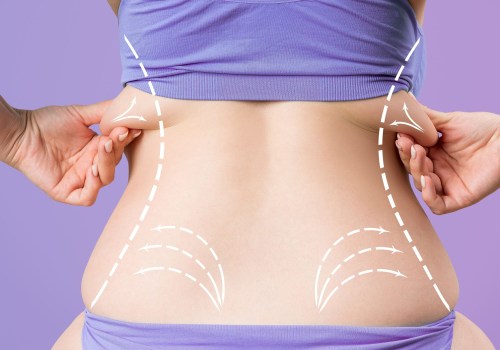
Liposuction is a popular cosmetic procedure designed to reshape and contour the body by removing excess fat from specific areas. Unlike traditional weight loss methods, such as diet and exercise, liposuction targets localized fat deposits that are often resistant to these efforts. This makes it an appealing option for individuals looking to enhance their body shape rather than achieve significant weight loss. Understanding what liposuction entails is crucial for anyone considering this procedure.The liposuction procedure involves the use of a thin tube, known as a cannula, which is inserted through small incisions in the skin.
The surgeon then uses this cannula to suction out fat from the targeted areas. Common sites for liposuction include the abdomen, thighs, buttocks, arms, and neck. The procedure can be performed under local or general anaesthesia, depending on the extent of fat removal and the patient's comfort level. While many people associate liposuction with dramatic weight loss, it is essential to note that its primary purpose is to improve body contours rather than serve as a weight-loss solution.So, how does liposuction work? The process begins with a thorough consultation where the surgeon evaluates the patient's health, discusses their goals, and determines if they are a suitable candidate for the procedure.
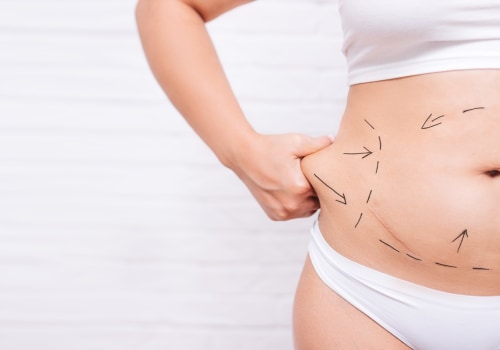
Once the patient is cleared for surgery, the surgeon marks the areas for fat removal and administers anaesthesia. After making small incisions, the cannula is inserted to break up and remove fat cells. The result is a more sculpted appearance in the treated areas, which can significantly boost self-esteem and body confidence.In summary, while liposuction can effectively remove stubborn fat deposits and enhance body shape, it should not be viewed as a method for substantial weight loss. Understanding the nature of this procedure helps set realistic expectations and encourages individuals to consider it as part of a broader approach to health and wellness.
The Weight Loss Myth: What to Expect
When considering liposuction, many individuals harbour the misconception that it serves as a primary method for significant weight loss.This belief can lead to unrealistic expectations and disappointment post-procedure. It is crucial to clarify that liposuction is primarily a body contouring technique rather than a weight-loss solution.On average, patients can expect to lose between 2 to 5 pounds after undergoing liposuction, with some reports indicating a maximum fat removal of around 6 to 8 pounds. However, this varies significantly based on individual factors such as body composition, the specific areas targeted, and the overall health of the patient. For instance, those who are closer to their ideal body weight and have localized fat deposits tend to see better results in terms of body shape and contour.It is essential to understand that liposuction is designed to eliminate stubborn fat pockets that do not respond to diet and exercise.
This means that while you may see a reduction in inches and an improvement in your overall silhouette, the scale may not reflect a dramatic change in weight. The procedure effectively reshapes areas such as the abdomen, thighs, and arms, providing a more toned appearance rather than serving as a tool for extensive weight loss.Moreover, liposuction does not address underlying issues related to weight management. Patients should maintain realistic expectations regarding the outcomes of the procedure. It is not a substitute for a healthy lifestyle; rather, it complements a balanced diet and regular exercise.
Those who approach liposuction with the mindset of achieving significant weight loss may find themselves dissatisfied with the results.In conclusion, while liposuction can lead to modest weight loss and significant improvements in body contouring, it is vital to recognise its limitations. Understanding what you can realistically achieve through this procedure will help you make informed decisions and set appropriate goals for your body transformation journey.
How Much Fat Can Be Safely Removed?
When considering liposuction, one of the most critical aspects to understand is the amount of fat that can be safely removed during the procedure. The FDA guidelines suggest that a maximum of approximately 11 pounds of fat can be extracted in a single session. However, this figure is not a target for every patient; rather, it serves as an upper limit under ideal conditions.In practice, the average amount of fat removed during liposuction typically ranges from 2 to 8 pounds.Most patients experience a loss of around 5 pounds, which is often sufficient to achieve noticeable body contouring results. It’s essential to note that the primary goal of liposuction is not weight loss but rather the removal of localized fat deposits to enhance body shape.Several factors influence how much fat can be safely removed:
- Patient's Health: A thorough medical evaluation is crucial. Patients with underlying health issues may have lower limits on safe fat removal.
- Body Composition: Individuals who are closer to their ideal body weight and have specific areas of fat accumulation tend to be better candidates for liposuction.
- Treatment Area: The area being treated also plays a role. Some regions, like the abdomen or thighs, may allow for more fat removal than others.
- Surgical Technique: The method used by the surgeon can affect how much fat can be safely extracted.
Advanced techniques may allow for more precise and safer fat removal.
Ideal Candidates for Liposuction
When considering liposuction, it is crucial to identify whether you fall into the category of ideal candidates for this procedure.Liposuction is not a universal solution for weight loss; rather, it is designed for specific individuals who meet certain criteria. Understanding these characteristics can help you determine if you are a suitable candidate.
Body Composition
One of the primary factors in determining candidacy for liposuction is body composition. Ideal candidates typically have:
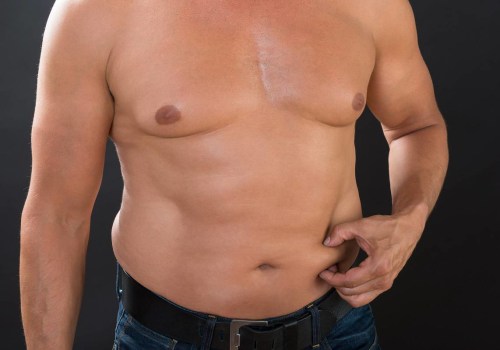
- Localized Fat Deposits: Individuals with stubborn fat pockets that are resistant to diet and exercise often benefit the most from liposuction. Common areas include the abdomen, thighs, hips, and arms.
- Stable Weight: Candidates should be at or near their target weight, ideally within 30% of a healthy body mass index (BMI).
This stability ensures that the results of the procedure are long-lasting.
- Good Skin Elasticity: Those with firm, elastic skin tend to achieve better results post-surgery. If your skin has lost elasticity due to age or significant weight loss, you may not be an ideal candidate.
Health Considerations
Your overall health plays a significant role in determining your suitability for liposuction. Ideal candidates should:
- Be in Good Health: Candidates should not have any underlying health conditions that could complicate surgery or recovery, such as heart disease or diabetes.
- Avoid Smoking: Smoking can impair healing and increase the risk of complications. Non-smokers or those who can commit to quitting before and after the procedure are preferred.
- Have Realistic Expectations: Understanding what liposuction can and cannot achieve is vital.
Ideal candidates have realistic goals regarding their body contouring outcomes.
Age Considerations
While there is no strict age limit for liposuction, most candidates are adults aged 18 and older. Younger individuals may still be developing physically, which could affect the results. Conversely, older adults may experience changes in skin elasticity that could impact the effectiveness of the procedure.In summary, ideal candidates for liposuction are those with localized fat deposits, stable weight, good skin elasticity, and overall good health. If you believe you fit this profile, consulting with a qualified cosmetic surgeon can provide further insights into your suitability for this transformative procedure.
Liposuction vs.
Traditional Weight Loss MethodsWhen considering options for weight loss, many individuals find themselves weighing the benefits of liposuction against traditional methods such as diet and exercise. Each approach has its own set of advantages and limitations, making it essential to understand how they differ in order to make an informed decision.
Liposuction
is primarily a cosmetic procedure aimed at removing localized fat deposits that are resistant to diet and exercise. It is particularly effective for individuals who are already close to their ideal weight but wish to enhance their body contours. The procedure can lead to significant changes in body shape, providing immediate results that can boost self-esteem and confidence.In contrast, traditional weight loss methods focus on long-term lifestyle changes.
A balanced diet combined with regular physical activity can lead to sustainable weight loss and improved overall health. Here are some key differences between liposuction and traditional weight loss methods:
- Results: Liposuction offers immediate results by removing fat cells, while traditional methods may take time to show significant changes on the scale.
- Longevity: Weight loss achieved through diet and exercise tends to be more sustainable, as it encourages healthy habits that can be maintained over time. Liposuction, however, does not prevent future weight gain if a healthy lifestyle is not adopted post-procedure.
- Health Benefits: Traditional weight loss methods can lead to numerous health benefits beyond just losing pounds, including improved cardiovascular health, better blood sugar control, and enhanced mental well-being.
- Target Areas: Liposuction is effective for targeting specific areas of the body where fat tends to accumulate, such as the abdomen, thighs, and arms. Traditional methods may not effectively target these areas without a comprehensive approach.
The best results often come from a combination of both approaches: using liposuction for targeted fat removal while committing to a balanced diet and regular exercise for overall health and well-being.Ultimately, the choice between liposuction and traditional weight loss methods should be based on individual goals, body composition, and lifestyle preferences. Consulting with a qualified healthcare professional can help clarify which option may be best suited for your unique circumstances.
Post-Procedure Expectations: Recovery and Results
Undergoing liposuction is a significant decision, and understanding what to expect during the recovery phase is crucial for achieving the best results. After the procedure, patients often have questions about recovery time, care tips, and how to maintain their new body shape.Recovery Time
The recovery period following liposuction can vary significantly from person to person, depending on factors such as the extent of the procedure and individual health conditions. Generally, most patients can expect to return to their normal activities within a week or two.However, it is advisable to avoid strenuous exercise and heavy lifting for at least four to six weeks post-surgery.
Post-Liposuction Care
Proper care after liposuction is essential for optimal healing and results. Here are some key care tips:- Follow Your Surgeon’s Instructions: Adhering to the specific guidelines provided by your cosmetic surgeon is vital. This may include wearing compression garments to reduce swelling and support the healing process.
- Manage Pain and Discomfort: It’s common to experience some pain and discomfort after the procedure. Your surgeon will likely prescribe pain medication to help manage this.
- Stay Hydrated: Drinking plenty of water aids in recovery and helps flush out toxins from your body.
- Avoid Smoking: Smoking can impede healing, so it’s best to refrain from smoking during your recovery period.
- Monitor Your Incisions: Keep an eye on your incisions for any signs of infection, such as increased redness or discharge.
Contact your surgeon if you notice anything unusual.
Expected Results After Liposuction
While liposuction can lead to a more contoured appearance, it’s important to have realistic expectations regarding the results. Initially, you may notice swelling and bruising, which can obscure the final outcome. Most patients begin to see noticeable changes within a few weeks as swelling subsides, with final results typically becoming apparent after three to six months.To maintain your results, it’s crucial to adopt a healthy lifestyle that includes a balanced diet and regular exercise. Liposuction removes fat cells from specific areas; however, it does not prevent new fat from accumulating if you do not maintain a healthy weight.In summary, understanding the recovery process and setting realistic expectations are key components of a successful liposuction experience.By following post-operative care instructions and committing to a healthy lifestyle, you can enjoy the benefits of your procedure for years to come.
Potential Risks and Complications of Liposuction
Liposuction, while often perceived as a straightforward cosmetic procedure, carries a range of potential risks and complications that patients must consider before undergoing treatment. Understanding these risks is essential for making an informed decision about whether liposuction is the right choice for you.One of the most common risks associated with liposuction is infection. As with any surgical procedure, there is a possibility of bacteria entering the body during the operation, which can lead to serious complications. Patients are advised to follow post-operative care instructions meticulously to minimise this risk.Another significant concern is the potential for fluid accumulation , known as seroma.This occurs when fluid builds up in the space where fat was removed, leading to swelling and discomfort. In some cases, additional procedures may be required to drain the fluid.
Blood clots
are another serious complication that can arise from liposuction. These clots can form in the legs and may travel to the lungs, resulting in a potentially life-threatening condition known as pulmonary embolism. To mitigate this risk, patients are often encouraged to move around as soon as possible after surgery.Additionally, patients may experience uneven contours or irregularities in skin texture following the procedure.
This can occur if too much fat is removed from one area or if the skin does not retract properly after fat removal. In some cases, revision surgery may be necessary to correct these issues.
Nerve damage
is another potential complication that can lead to numbness or changes in sensation in the treated areas. While most nerve injuries are temporary, some patients may experience long-lasting effects.Moreover, there is a risk of adverse reactions to anaesthesia used during the procedure. These reactions can range from mild to severe and may include respiratory issues or allergic responses.Finally, it’s crucial to acknowledge that liposuction is not a weight-loss solution but rather a body contouring procedure.
Patients who have unrealistic expectations about the outcomes may find themselves dissatisfied with their results, leading to psychological distress.In conclusion, while liposuction can offer significant aesthetic benefits, it is vital for prospective patients to thoroughly discuss these risks and complications with their surgeon during the consultation process. A qualified cosmetic surgeon will provide guidance on how to minimise these risks and ensure a safer surgical experience.
Consultation with a Cosmetic Surgeon: What to Ask
When considering liposuction, a thorough consultation with a qualified cosmetic surgeon is essential. This meeting is your opportunity to gather vital information, clarify your expectations, and ensure that you are making an informed decision. Here are some key questions to ask during your consultation:- What are your qualifications and experience? It’s crucial to know the surgeon’s credentials, including their training, board certification, and experience specifically in performing liposuction.
Ask how many procedures they have completed and if they have any specialisations.
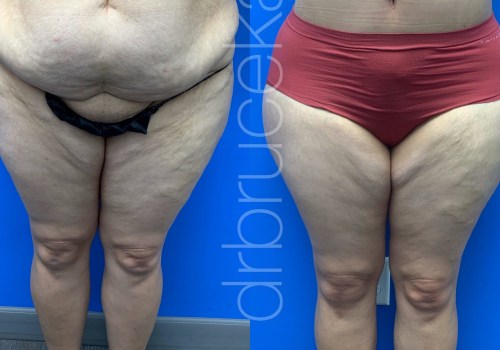
- Can you show me before-and-after photos of previous patients? Viewing the results of past patients can give you a realistic idea of what to expect. Look for examples that closely match your body type and the areas you wish to target.
- What techniques do you use for liposuction? There are various methods of liposuction, such as tumescent, ultrasound-assisted, or laser-assisted techniques. Understanding the approach your surgeon uses can help you gauge its effectiveness and safety.
- What are the potential risks and complications? Every surgical procedure carries risks. Discuss possible complications specific to liposuction, such as infection, scarring, or uneven results.
Knowing these risks will help you weigh the benefits against potential downsides.
- How much fat can be safely removed during the procedure? Surgeons typically recommend a maximum of 6 to 8 pounds for safety reasons. Understanding this limit will help set realistic expectations regarding your results.
- What is the recovery process like? Inquire about the expected recovery time, any necessary post-operative care, and when you can return to normal activities. Knowing what to expect can help you prepare mentally and physically for the recovery period.
- What should I do to prepare for the procedure? Your surgeon may provide specific instructions regarding diet, medications, or lifestyle changes leading up to your surgery. Following these guidelines can significantly impact your results and recovery.
- Will I need follow-up appointments? Understanding the follow-up process is essential for monitoring your recovery and addressing any concerns that may arise after surgery.
Remember, this is a significant decision that should be made with careful consideration and professional guidance.
Conclusion: The Realities of Liposuction and Weight Loss
In summary, the journey through understanding liposuction reveals a crucial distinction: it is primarily a body contouring procedure rather than a method for significant weight loss. While many individuals seek liposuction with the hope of shedding excess pounds, it is essential to grasp that the procedure is designed to target specific areas of fat accumulation, enhancing the overall shape and appearance of the body.As discussed, patients can expect to lose an average of 2 to 5 pounds following a typical liposuction procedure, with some achieving a maximum loss of around 6 to 8 pounds. This modest weight reduction is often overshadowed by the more noticeable changes in body contours and proportions. Therefore, those considering liposuction should approach it with realistic expectations, understanding that it is not a substitute for a healthy lifestyle.Moreover, liposuction is most effective for individuals who are already close to their ideal weight but struggle with stubborn fat deposits that resist diet and exercise.It is not intended for those who are significantly overweight or seeking drastic weight loss. Instead, it serves as a complementary procedure that can enhance the results of a dedicated fitness and nutrition regimen.It is also vital to acknowledge that liposuction does not improve skin quality or elasticity. Patients may find that while fat is removed, skin laxity remains unchanged, which can affect the overall aesthetic outcome. Therefore, individuals with concerns about skin tightness should discuss additional treatments with their cosmetic surgeon.Ultimately, the key takeaway is that liposuction should be viewed as a tool for body sculpting rather than a quick fix for weight management.
A thorough consultation with a qualified cosmetic surgeon will provide valuable insights into what can be realistically achieved through this procedure. By aligning expectations with the realities of liposuction, patients can make informed decisions that lead to satisfying results.