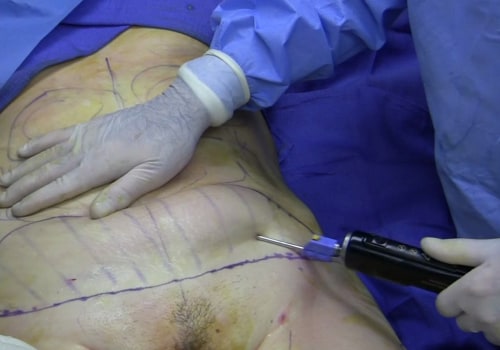
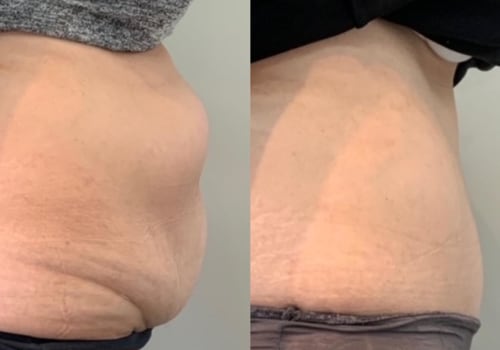
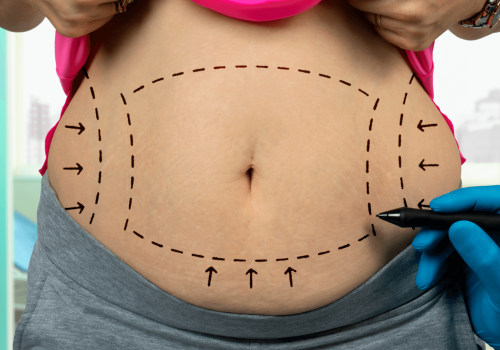
Liposuction is a popular cosmetic procedure designed to remove stubborn fat deposits from specific areas of the body, helping individuals achieve a more contoured and sculpted appearance. This surgical technique is not intended for weight loss but rather for targeting localized fat that may be resistant to diet and exercise. Understanding the intricacies of liposuction is essential for anyone considering this procedure, especially when contemplating the possibility of a second round.The liposuction procedure typically begins with a thorough consultation with a qualified plastic surgeon, who will assess the patient's health, discuss their aesthetic goals, and determine the most suitable approach. During the surgery, small incisions are made in the targeted areas, and a thin tube called a cannula is inserted to suction out excess fat.
Various techniques can be employed, including tumescent liposuction, where a saline solution is injected to facilitate fat removal, or ultrasound-assisted liposuction, which uses sound waves to break down fat cells before extraction.Once the procedure is complete, patients can expect some swelling and bruising as part of the healing process. The results of liposuction can be quite dramatic, often leading to increased self-confidence and satisfaction with one’s body shape. However, it is crucial to have realistic expectations and understand that maintaining a healthy lifestyle post-surgery is vital for sustaining the results.As we delve deeper into the topic of liposuction, particularly regarding the considerations for a second round, it becomes clear that having a solid foundation of knowledge about how liposuction works and its intended purpose will aid in making informed decisions about future procedures.
Who is a Good Candidate for Liposuction?
Determining whether you are a suitable candidate for liposuction involves evaluating several physical and health-related criteria. Understanding these factors can help potential patients set realistic expectations and make informed decisions about their body contouring journey.Physical Criteria
- Stable Weight: Ideal candidates should be at or near their target weight.
Liposuction is not a weight-loss solution but rather a method for removing stubborn fat deposits that resist diet and exercise.
- Localized Fat Deposits: Candidates typically have specific areas of fat accumulation, such as the abdomen, thighs, hips, or arms, which they wish to target. This procedure is most effective for those with localized fat rather than overall obesity.
- Skin Elasticity: Good skin elasticity is crucial for optimal results. Candidates with firm, elastic skin are more likely to achieve smooth and contoured outcomes post-surgery.
Health Considerations
- Overall Health: Candidates should be in good general health, without any underlying medical conditions that could complicate surgery or recovery. Conditions such as heart disease, diabetes, or blood clotting disorders may disqualify individuals from undergoing the procedure.
- No Smoking: Smoking can significantly impair healing and increase the risk of complications.
Candidates are often advised to quit smoking several weeks before and after the procedure.
- Realistic Expectations: It is essential for candidates to have realistic expectations regarding the results of liposuction. While it can enhance body contours, it is not a substitute for a healthy lifestyle or a means to achieve significant weight loss.
Age Considerations
While there is no strict age limit for liposuction, most surgeons prefer candidates to be at least 18 years old. Older adults may still be eligible if they meet the other criteria and are in good health.In conclusion, understanding who qualifies for liposuction is vital for anyone considering this procedure. By assessing physical attributes and health status, potential patients can better determine if they are suitable candidates and what results they can realistically expect from their surgery.
The First Round of Liposuction: What to Expect
Undergoing your first round of liposuction can be both an exciting and daunting experience.Understanding what to expect throughout the process can help alleviate anxiety and ensure a smoother journey.
Pre-Operative Preparations
Before the procedure, you will have a comprehensive consultation with your plastic surgeon. This is the time to discuss your goals, medical history, and any concerns you may have. Your surgeon will assess your body type and the areas you wish to target, providing recommendations tailored to your needs.In the days leading up to the surgery, you may be advised to:
- Avoid certain medications, such as blood thinners and anti-inflammatory drugs.
- Stop smoking, as it can impede healing.
- Maintain a healthy diet to optimise your body’s condition for surgery.
The Procedure Itself
Liposuction is typically performed under general anaesthesia or local anaesthesia with sedation, depending on the extent of the procedure. The surgeon will make small incisions in the targeted areas and insert a thin tube called a cannula to suction out excess fat.
The duration of the surgery can vary based on the number of areas being treated but generally lasts between one to three hours.
Post-Operative Care
After the procedure, you will be taken to a recovery area where medical staff will monitor your vital signs. It’s common to experience swelling, bruising, and discomfort in the treated areas. Your surgeon will provide specific post-operative instructions, which may include:
- Wearing a compression garment to reduce swelling and support healing.
- Taking prescribed pain medication as needed.
- Avoiding strenuous activities for several weeks.
- Attending follow-up appointments to monitor your recovery progress.
Reasons for Considering a Second Round of Liposuction
Many individuals contemplate a second round of liposuction for various reasons, often stemming from their experiences and outcomes following the initial procedure.Understanding these motivations is crucial for both patients and surgeons to ensure that expectations are aligned and that the decision is made with careful consideration.One of the primary reasons for seeking a second round of liposuction is dissatisfaction with the results of the first procedure. While many patients achieve their desired body contours after one session, some may find that certain areas did not respond as expected. This could be due to factors such as:
- Uneven Fat Distribution: In some cases, fat may not be evenly distributed post-surgery, leading to an appearance that does not meet the patient’s expectations.
- Residual Fat Pockets: Certain stubborn areas may remain despite the initial treatment, prompting individuals to consider further intervention.
- Changes in Body Shape: Weight fluctuations or lifestyle changes can alter body shape over time, leading to a desire for additional sculpting.
This can result in a less toned appearance, prompting some to seek revision liposuction to restore their previous contours or enhance their overall silhouette.Moreover, personal motivations play a crucial role in this decision-making process. For instance:
- Increased Confidence: Many patients report a boost in self-esteem following their first liposuction. If they feel that further enhancements could improve their confidence even more, they may opt for additional procedures.
- Special Occasions: Events such as weddings or reunions can motivate individuals to pursue further body contouring to look their best.
- Fitness Goals: Some individuals may achieve significant weight loss through diet and exercise after their first procedure and wish to refine their physique further.
Timing: When is it Safe to Get a Second Round?
Understanding the appropriate timing for a second round of liposuction is crucial for ensuring optimal results and a safe recovery.After undergoing the initial procedure, patients often wonder how long they should wait before considering another session. The general consensus among plastic surgeons is to allow a minimum waiting period of six months before contemplating a second round. This timeframe is essential for several reasons.Firstly, the body requires adequate time to heal after the first procedure. During the initial recovery phase, which can last several weeks, patients may experience swelling, bruising, and discomfort.
These symptoms gradually subside, but it can take several months for the body to fully adjust to the changes made during liposuction. Rushing into a second procedure too soon can lead to complications such as increased swelling or uneven results.Secondly, waiting allows for a thorough assessment of the results from the first surgery. Many patients find that they are satisfied with their new contours after the swelling has diminished and their body has settled into its new shape. It is not uncommon for individuals to reconsider their desire for further treatment once they see the final results.Several factors can influence the timing of a second liposuction procedure:
- Individual Healing Process: Each person's body heals at its own pace.
Factors such as age, overall health, and adherence to post-operative care instructions can affect recovery time.
- Desired Results: If patients are looking to target specific areas that were not adequately addressed in the first session, they may need to wait longer to ensure that their body is ready for additional fat removal.
- Surgeon's Recommendation: Consulting with a qualified plastic surgeon is vital. They will evaluate your healing progress and determine if you are physically prepared for another procedure.
Potential Risks and Considerations of a Second Round
Undergoing a second round of liposuction can be an appealing option for those seeking further refinement of their body contours.However, it is crucial to understand the potential risks and complications that may arise from multiple procedures. Each surgical intervention carries inherent risks, and these can be magnified with subsequent operations.
Increased Risk of Complications
- Infection: The risk of infection increases with each surgical procedure. While modern surgical techniques and antibiotics have significantly reduced this risk, it remains a concern, especially if the body has not fully healed from the previous surgery.
- Scarring: Each liposuction procedure can lead to scarring. With multiple surgeries, the likelihood of noticeable scars increases, which may affect the aesthetic outcome.
- Fluid Accumulation: After liposuction, some patients may experience seromas, which are pockets of fluid that can form under the skin.
The risk of developing seromas may increase with additional procedures.
- Anesthesia Risks: Each surgery requires anesthesia, which carries its own set of risks. Repeated exposure to anesthesia can lead to complications, particularly in individuals with underlying health issues.
Impact on Recovery
The recovery process after a second round of liposuction can be more challenging than after the first. The body may take longer to heal due to the cumulative effects of surgery. Patients might experience increased swelling, bruising, and discomfort compared to their initial procedure.
Psychological Considerations
It is also essential to consider the psychological impact of undergoing multiple liposuction procedures.
Patients may develop unrealistic expectations regarding their body image and results. This can lead to dissatisfaction even after achieving significant improvements. Consulting with a mental health professional or a qualified plastic surgeon can help address these concerns before proceeding.
Conclusion
While a second round of liposuction may be necessary for some individuals, it is vital to weigh the potential risks against the desired outcomes. Thorough discussions with your plastic surgeon about your health history, expectations, and any concerns you may have will aid in making an informed decision regarding further procedures.
Alternatives to a Second Round of Liposuction
For individuals considering a second round of liposuction, it is essential to explore non-surgical fat removal options that may provide effective results without the need for additional surgical procedures.These alternatives can be particularly appealing for those who wish to avoid the risks and recovery time associated with surgery.
CoolSculpting: A Popular Non-Surgical Option
One of the most well-known non-invasive fat reduction techniques is CoolSculpting. This procedure employs a method called cryolipolysis, which involves applying controlled cooling to targeted areas of fat. The cold temperature effectively freezes fat cells, causing them to die off while leaving surrounding tissues unharmed. Over time, the body naturally eliminates these dead fat cells, leading to a more sculpted appearance.CoolSculpting is particularly suitable for individuals with small pockets of stubborn fat that are resistant to diet and exercise.Common treatment areas include:
- Abdomen
- Thighs
- Flanks (love handles)
- Back
- Under the chin
Other Non-Surgical Alternatives
Apart from CoolSculpting, there are several other non-surgical options available for fat reduction:- SculpSure: This laser-based treatment uses heat to target and destroy fat cells. It is effective for areas such as the abdomen and flanks and typically requires no downtime.
- Kybella: An injectable treatment specifically designed to reduce submental fat (double chin). Kybella contains deoxycholic acid, which helps break down fat cells in the treated area.
- Ultrasound Fat Reduction: This technique uses ultrasound energy to target and eliminate fat cells.
It is non-invasive and can be used on various body parts.
Patient Testimonials: Experiences with Multiple Rounds of Liposuction
Many individuals considering a second round of liposuction often seek reassurance through the experiences of others. Here, we share a selection of patient testimonials that highlight their journeys with multiple rounds of liposuction, providing insights into their motivations, outcomes, and overall satisfaction.Emma's Journey: From Hesitation to Confidence
Emma, a 34-year-old mother of two, initially underwent liposuction on her abdomen and thighs.
"I was thrilled with the results after my first procedure, but I still had stubborn pockets of fat on my hips that bothered me. After discussing it with my surgeon, I decided to go for a second round six months later. The recovery was smoother than the first time, and I felt more confident in my body than ever before!" Emma's story illustrates how a second procedure can enhance results when approached thoughtfully.
James's Experience: Managing Expectations
James, 45, had liposuction on his abdomen and flanks. "I was always active but struggled with certain areas that wouldn’t budge despite diet and exercise.
After my first surgery, I was happy but felt there was still room for improvement. I opted for a second round to target those remaining areas. My surgeon advised me to wait a year for optimal healing, which I did. The results were worth the wait!" James emphasizes the importance of managing expectations and allowing adequate time for recovery.
Sophia's Reflection: The Importance of Communication
Sophia, 29, shares her experience: "I had liposuction on my thighs and arms but felt dissatisfied with the unevenness in some areas.
My surgeon encouraged me to wait six months before considering another procedure. When I returned for my second round, we discussed my concerns in detail. The communication made all the difference! I now feel much more balanced and happy with my body." Sophia’s testimonial highlights how open dialogue with a surgeon can lead to better outcomes.These testimonials reflect the diverse experiences of patients who have undergone multiple rounds of liposuction. Each story underscores the significance of careful planning, realistic expectations, and effective communication with healthcare professionals.
For anyone contemplating a second procedure, these insights can be invaluable in making informed decisions about their body and health.
Consultation with Your Surgeon: Key Questions to Ask
When considering a second round of liposuction, it is crucial to have a thorough consultation with your plastic surgeon. This meeting is an opportunity to address any concerns, clarify expectations, and ensure that you are making an informed decision. Here are some key questions to ask during your consultation:- What are the reasons for recommending a second procedure?
Understanding why your surgeon believes a second round is necessary can help you gauge whether it aligns with your goals. - What results can I realistically expect?
Discuss the potential outcomes and how they may differ from your first procedure. It’s important to have realistic expectations based on your body type and previous results. - What techniques will be used this time?
Inquire about any changes in technique or technology since your last procedure.New advancements may offer better results or a more comfortable recovery.
- How will my recovery differ from the first procedure?
Recovery can vary significantly between surgeries. Ask about the expected downtime, pain management, and any specific post-operative care you should anticipate. - Are there any risks associated with multiple liposuction procedures?
Understanding the risks involved in undergoing multiple surgeries is essential. Your surgeon should provide information on potential complications and how they can be mitigated. - What should I do to prepare for the surgery?
Preparation can play a significant role in the success of your surgery. Ask about dietary restrictions, medications to avoid, and any lifestyle changes you should implement prior to the procedure. - How will you assess my candidacy for a second round?
Your surgeon should explain how they determine whether you are a suitable candidate for another liposuction session, including factors like skin elasticity and overall health.
This not only demonstrates your commitment to the process but also helps ensure that all aspects of your surgery are covered. Remember, this consultation is not just about getting answers; it’s also about building trust with your surgeon. A good rapport can significantly enhance your surgical experience and outcomes.
<strong>Conclusion</strong>
In summary, the decision to pursue a second round of liposuction is not one to be taken lightly. While many individuals may feel compelled to seek further enhancement after their initial procedure, it is essential to approach this choice with a clear understanding of the implications and potential outcomes.Firstly, it is crucial to recognise that the results from the first session often yield the most significant changes.Many patients find that their body contours improve dramatically after just one treatment, making a second round unnecessary. However, for those who have specific areas that did not respond as expected or who have experienced changes in their body due to weight fluctuations or ageing, a second procedure may be warranted.Before considering a follow-up treatment, patients should allow adequate time for healing—typically at least six months post-surgery. This waiting period not only ensures that the body has fully recovered but also allows for a more accurate assessment of the results achieved from the initial liposuction. During this time, individuals should focus on maintaining a healthy lifestyle through balanced nutrition and regular exercise, as these factors can significantly influence the final outcome.Moreover, it is vital to consult with a qualified plastic surgeon who can provide personalised advice based on individual circumstances.
A thorough evaluation will help determine whether a second round is necessary and safe. The surgeon can also discuss alternative options, such as non-surgical fat reduction techniques like CoolSculpting, which may be suitable for minor adjustments without the need for invasive procedures.Ultimately, while a second round of liposuction can be beneficial for some, it is essential to weigh the risks and benefits carefully. Patients should prioritise their health and well-being above all else and make informed decisions in collaboration with their healthcare provider.