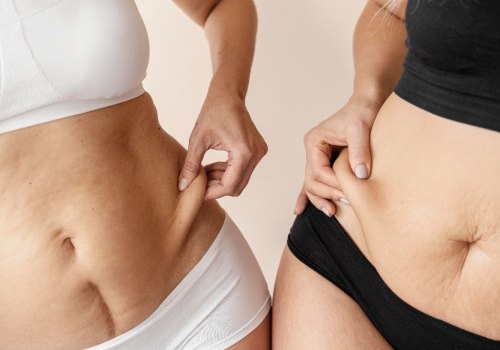
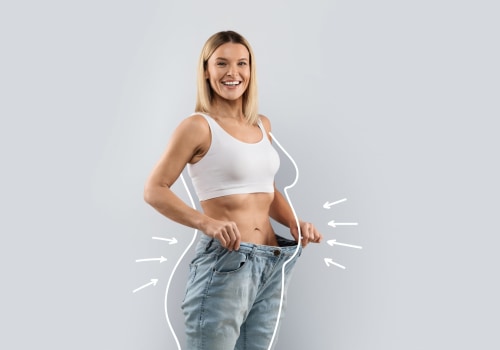
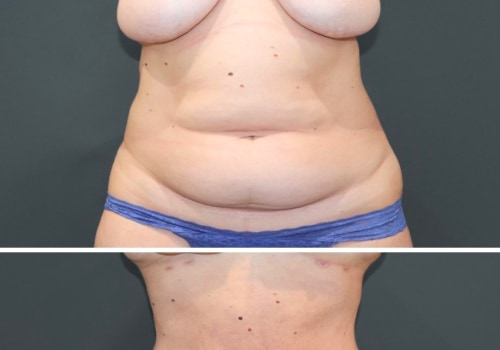
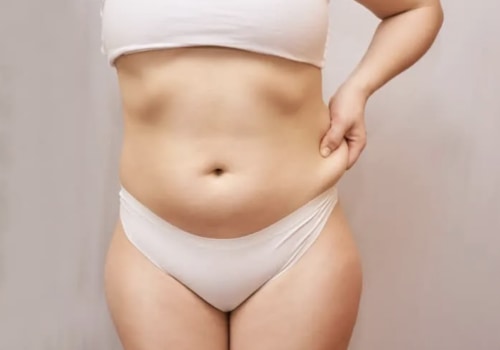
Liposuction is a popular cosmetic surgical procedure designed to remove stubborn fat deposits from specific areas of the body. Unlike traditional weight loss methods such as diet and exercise, liposuction targets localized fat that is often resistant to these efforts. This makes it an appealing option for individuals looking to enhance their body contours and achieve a more sculpted appearance.The procedure involves the use of a thin, hollow tube called a cannula, which is inserted through small incisions in the skin. The surgeon then uses this cannula to suction out excess fat from the targeted areas.
Common sites for liposuction include the abdomen, thighs, buttocks, arms, and neck. It is important to note that while liposuction can significantly improve body shape, it is not intended as a weight-loss solution for those who are overweight or obese.Before undergoing liposuction, candidates should have realistic expectations about the results. The procedure can effectively reshape and contour the body, but it does not prevent future weight gain or replace a healthy lifestyle. Additionally, potential candidates should be in good overall health and have a stable weight prior to surgery.
Consulting with a qualified plastic surgeon is essential to determine if liposuction is the right choice for you.Consulting with a qualified plastic surgeon is essential to determine if liposuction is the right choice for you.
Who is an Ideal Candidate for Liposuction?
Determining whether you are an ideal candidate for liposuction involves evaluating several key factors that contribute to both your safety during the procedure and the likelihood of achieving satisfactory results. Understanding these characteristics can help you make an informed decision about whether this body contouring option is right for you.1.Overall Health Status
One of the most critical aspects of being a suitable candidate for liposuction is your overall health. Candidates should be in good physical condition, free from serious medical conditions that could complicate surgery or recovery. Conditions such as heart disease, diabetes, or respiratory issues may increase the risks associated with the procedure.
A thorough pre-operative assessment by a qualified plastic surgeon will help determine your health status and suitability for liposuction.
2.Body Mass Index (BMI)
Your Body Mass Index (BMI) plays a significant role in determining your eligibility for liposuction. Ideal candidates typically have a BMI within the normal range, which is generally considered to be between 18.5 and 24.9.However, individuals with a BMI slightly above this range may still qualify, especially if they have localized fat deposits that are resistant to diet and exercise. It’s important to note that liposuction is not a weight-loss solution; rather, it is intended for body contouring.
3.Realistic Expectations
A crucial factor in being a good candidate for liposuction is having realistic expectations about the outcomes of the procedure. Liposuction can significantly improve body contours and enhance self-esteem, but it is not a miracle cure for weight loss or an alternative to a healthy lifestyle.
Candidates should understand that while liposuction can remove stubborn fat pockets, maintaining results requires ongoing commitment to diet and exercise.
4.Age Considerations
While age itself is not a disqualifying factor, older candidates should be in good health and have skin that retains some elasticity for optimal results. Younger individuals may also be considered ideal candidates if they meet other criteria, such as health status and realistic expectations.
5.Non-Smoking Status
Smoking can significantly impact healing and increase the risk of complications during and after surgery. Therefore, non-smokers are generally preferred candidates for liposuction. If you do smoke, it is advisable to quit well in advance of your procedure to improve your chances of a successful outcome.In summary, an ideal candidate for liposuction is someone who is in good health, has a normal or slightly elevated BMI, possesses realistic expectations about the procedure's outcomes, is of appropriate age with good skin elasticity, and does not smoke.
Consulting with a qualified plastic surgeon will provide you with tailored advice based on your individual circumstances.
Factors Affecting Liposuction Eligibility
When considering liposuction, it is crucial to understand the various factors that can influence your eligibility for the procedure. While many individuals may be eager to enhance their body contours, not everyone is a suitable candidate. Below are some of the primary factors that can affect your candidacy.Body Mass Index (BMI)
Your BMI is one of the most significant indicators of whether you qualify for liposuction. Surgeons typically prefer candidates with a BMI within the normal range, which is generally considered to be between 18.5 and 24.9.A high BMI can indicate excess body fat, which may increase the risk of complications during surgery.- High BMI: If your BMI exceeds 30, you may be deemed ineligible for liposuction, as this procedure is not intended for weight loss but rather for contouring specific areas of the body.
- Muscle Mass: It’s important to note that individuals with a high muscle mass, such as bodybuilders, may have a higher BMI but still be good candidates for liposuction if they have localized fat deposits.
- Weight Loss History: Those who have lost a significant amount of weight may also have a higher BMI due to loose skin or remaining fat pockets, yet they could still qualify for the procedure.
Overall Health
Your general health status plays a vital role in determining your eligibility for liposuction.Ideal candidates should be in good physical and mental health. Factors to consider include:
- Chronic Conditions: Individuals with chronic health issues such as diabetes, heart disease, or respiratory problems may face increased risks during surgery and may not qualify.
- Mental Health: Candidates should also have realistic expectations about the outcomes of liposuction. Those who expect miraculous results or view the procedure as a quick fix for weight loss may not be suitable candidates.
- Smoking Habits: Smoking can significantly impact your eligibility. It affects blood circulation and healing, increasing the risk of complications during and after surgery.
Surgeons often require patients to quit smoking several weeks before and after the procedure.
The Role of Body Mass Index (BMI) in Liposuction Candidacy
When considering liposuction, one of the primary factors that plastic surgeons evaluate is the patient's Body Mass Index (BMI). This measurement serves as a crucial indicator of overall health and helps determine whether an individual is a suitable candidate for the procedure.BMI is calculated using a person's weight and height, providing a numerical value that categorises individuals into different weight classifications. The formula for calculating BMI is:- BMI = weight (kg) / (height (m) x height (m))
- Underweight: BMI less than 18.5
- Normal weight: BMI 18.5 to 24.9
- Overweight: BMI 25 to 29.9
- Obesity: BMI 30 or greater
Most surgeons recommend that candidates have a BMI within the normal range or slightly above it, typically not exceeding 30. However, it is essential to note that BMI is not the sole determinant of eligibility.There are exceptions to the standard BMI guidelines. For instance, individuals with a high muscle mass, such as bodybuilders or athletes, may have a higher BMI due to their increased muscle density rather than excess fat. In such cases, surgeons may consider other factors, including body composition and fat distribution, rather than relying solely on BMI.Moreover, patients who have experienced significant weight loss may also find themselves in a unique situation.
Even if their BMI falls into the overweight or obese category post-weight loss, they might still be eligible for liposuction if they have excess skin or stubborn fat deposits that do not respond to diet and exercise.Ultimately, while BMI plays a significant role in assessing candidacy for liposuction, it should be viewed in conjunction with other health indicators and personal circumstances. A thorough consultation with a qualified plastic surgeon will provide clarity on whether you meet the necessary criteria for this transformative procedure.
Realistic Expectations: What Liposuction Can and Cannot Do
When considering liposuction, it is crucial to have a clear understanding of what the procedure can achieve and its inherent limitations. Many individuals approach liposuction with the hope of achieving a dramatic transformation, but it is essential to set realistic expectations to avoid disappointment.What Liposuction Can Do
- Target Specific Areas: Liposuction is designed to remove stubborn fat deposits from specific areas of the body, such as the abdomen, thighs, hips, and arms. This targeted approach can help enhance body contours and improve overall proportions.
- Boost Confidence: For many, the removal of excess fat can lead to increased self-esteem and body confidence.
Patients often report feeling more comfortable in their skin after the procedure.
- Complement a Healthy Lifestyle: Liposuction can serve as a complement to a healthy diet and regular exercise. It is not a substitute for weight loss but can help refine areas that are resistant to traditional weight loss methods.
What Liposuction Cannot Do
- Weight Loss Solution: It is important to understand that liposuction is not intended for significant weight loss. Ideal candidates are typically within 30% of their ideal body weight. Those seeking substantial weight reduction should consider other options.
- Tighten Skin: While liposuction removes fat, it does not address skin laxity.
Patients with loose or sagging skin may require additional procedures, such as a tummy tuck or skin tightening treatments, to achieve desired results.
- Permanent Results Without Maintenance: Although liposuction can remove fat cells, it does not prevent future weight gain. Maintaining a healthy lifestyle post-surgery is essential for preserving results.
Health Considerations Before Undergoing Liposuction
Before deciding to undergo liposuction, it is crucial to consider various health factors that may impact your eligibility and the overall success of the procedure.A thorough pre-surgery health check is essential to ensure that you are a suitable candidate and to minimise potential risks associated with the surgery.One of the primary health considerations is your overall physical condition. Candidates should ideally be in good health, with no underlying medical conditions that could complicate the surgery or recovery process. Conditions such as heart disease, diabetes, or respiratory issues can significantly increase the risks during and after the procedure. Therefore, it is vital to disclose your complete medical history to your surgeon.
Weight and Body Mass Index (BMI)
are also critical factors.
While liposuction is not a weight-loss solution, having a BMI within a healthy range can enhance your candidacy. Surgeons typically prefer candidates with a BMI below 30, as higher BMIs can lead to complications and may limit the amount of fat that can be safely removed.Another important aspect to consider is smoking. Smoking can adversely affect blood circulation and healing, increasing the risk of complications during surgery. If you smoke, it is advisable to quit at least several weeks before the procedure to improve your chances of a successful outcome.Additionally, realistic expectations about the results of liposuction are essential.
Understanding that liposuction is not a substitute for a healthy lifestyle or a solution for obesity can help you approach the procedure with the right mindset. Discussing your goals with your surgeon will help set achievable outcomes based on your body type and health status.Finally, consulting with a qualified plastic surgeon is paramount. They will conduct a comprehensive evaluation of your health, discuss any potential risks, and help you understand what to expect from the procedure. This consultation is an opportunity to address any concerns you may have and ensure that you are making an informed decision about undergoing liposuction.
The Consultation Process: What to Expect
When considering liposuction, the initial consultation with a plastic surgeon is a crucial step in the journey.This meeting serves as an opportunity for both the patient and the surgeon to assess whether the procedure is suitable and to establish a clear understanding of expectations.
What to Expect During Your Consultation
During your consultation, you can expect a thorough discussion about your medical history, lifestyle, and specific goals regarding liposuction. The surgeon will likely ask questions such as:
- What are your primary concerns regarding your body shape?
- Have you undergone any previous surgeries or medical treatments?
- Are you currently taking any medications or supplements?
- Do you have any allergies or chronic health conditions?
Physical Examination
A physical examination will also be conducted to assess the areas of fat accumulation you wish to target. The surgeon will evaluate your skin elasticity, fat distribution, and overall body composition. This assessment is vital for planning the procedure and setting realistic expectations.
Preparing for Your Consultation
This could include inquiries about recovery time, potential risks, and expected results.
Conclusion
The consultation process is an invaluable part of preparing for liposuction. It allows you to gather information, express your concerns, and build a rapport with your surgeon. By being well-prepared and open during this meeting, you can ensure that you receive the best possible guidance tailored to your individual needs.
Potential Risks and Complications of Liposuction
While liposuction can be an effective method for contouring the body and removing stubborn fat deposits, it is essential to be aware of the potential risks and complicationspotential risks and complications associated with the procedure.Understanding these risks allows candidates to make informed decisions regarding their health and aesthetic goals.
Common Risks of Liposuction
- Infection: As with any surgical procedure, there is a risk of infection at the incision sites. Proper aftercare and adherence to your surgeon's instructions can help mitigate this risk.
- Bleeding: Excessive bleeding during or after the procedure can occur, which may require additional medical intervention. Surgeons typically monitor blood loss closely during surgery.
- Scarring: Although liposuction incisions are small, they can still result in noticeable scars. The extent of scarring varies based on individual healing processes and the surgeon's technique.
- Fluid Accumulation: Post-surgery, some patients may experience fluid build-up in the treated areas, known as seromas.
These may require drainage if they become problematic.
Serious Complications
- Blood Clots: There is a risk of developing blood clots in the legs or lungs, which can be life-threatening. Patients are often advised to move around as soon as possible after surgery to reduce this risk.
- Anesthesia Risks: Reactions to anesthesia can occur, ranging from mild to severe. It is crucial to discuss any previous reactions with your surgeon prior to the procedure.
- Organ Damage: In rare cases, liposuction can lead to damage to internal organs if the cannula is inserted too deeply. This highlights the importance of choosing a qualified and experienced surgeon.
Long-term Considerations
While many patients achieve satisfactory results from liposuction, it is important to maintain realistic expectations regarding outcomes.
Weight gain after the procedure can lead to uneven fat distribution, which may necessitate further surgical intervention. Additionally, lifestyle choices such as diet and exercise play a significant role in maintaining results.In conclusion, while liposuction can offer significant aesthetic benefits, it is not without its risks. A thorough consultation with a qualified plastic surgeon will help you understand these risks in relation to your personal health profile and aesthetic goals.
<strong>Conclusion</strong>: Assessing Your Candidacy for Liposuction
In conclusion, determining whether you are a suitable candidate for liposuction involves a comprehensive understanding of various factors that influence eligibility. Throughout this article, we have explored the essential criteria that can affect your candidacy, including body mass index (BMI), overall health, lifestyle choices, and realistic expectations regarding the outcomes of the procedure.It is crucial to remember that liposuction is not a weight-loss solution but rather a body contouring procedure designed to target specific areas of stubborn fat.Therefore, individuals with a high BMI or those who are significantly overweight may not qualify for this surgery. Instead, ideal candidates typically possess a BMI within the normal range and are in good physical and mental health.Moreover, lifestyle factors such as smoking can significantly impact your eligibility. Smoking can hinder the healing process and increase the risk of complications during and after surgery. Therefore, if you are a smoker, it is advisable to quit well in advance of any planned surgical procedures.Another critical aspect to consider is having realistic expectations about what liposuction can achieve.
While many patients seek this procedure to enhance their appearance, it is essential to understand that results can vary based on individual circumstances. Those who approach the procedure with a clear understanding of its limitations are more likely to be satisfied with their outcomes.Ultimately, the best way to assess your candidacy for liposuction is through a thorough consultation with a qualified plastic surgeon. They will evaluate your health history, discuss your goals, and provide personalised recommendations based on your unique situation. This professional guidance is invaluable in ensuring that you make an informed decision about whether liposuction is the right choice for you.In summary, being well-informed about the eligibility criteria for liposuction and seeking expert advice will empower you to make the best decision regarding your body and aesthetic goals.